Neighbourhoods · Lumphini

The corridor anchored at Lumphini Park.

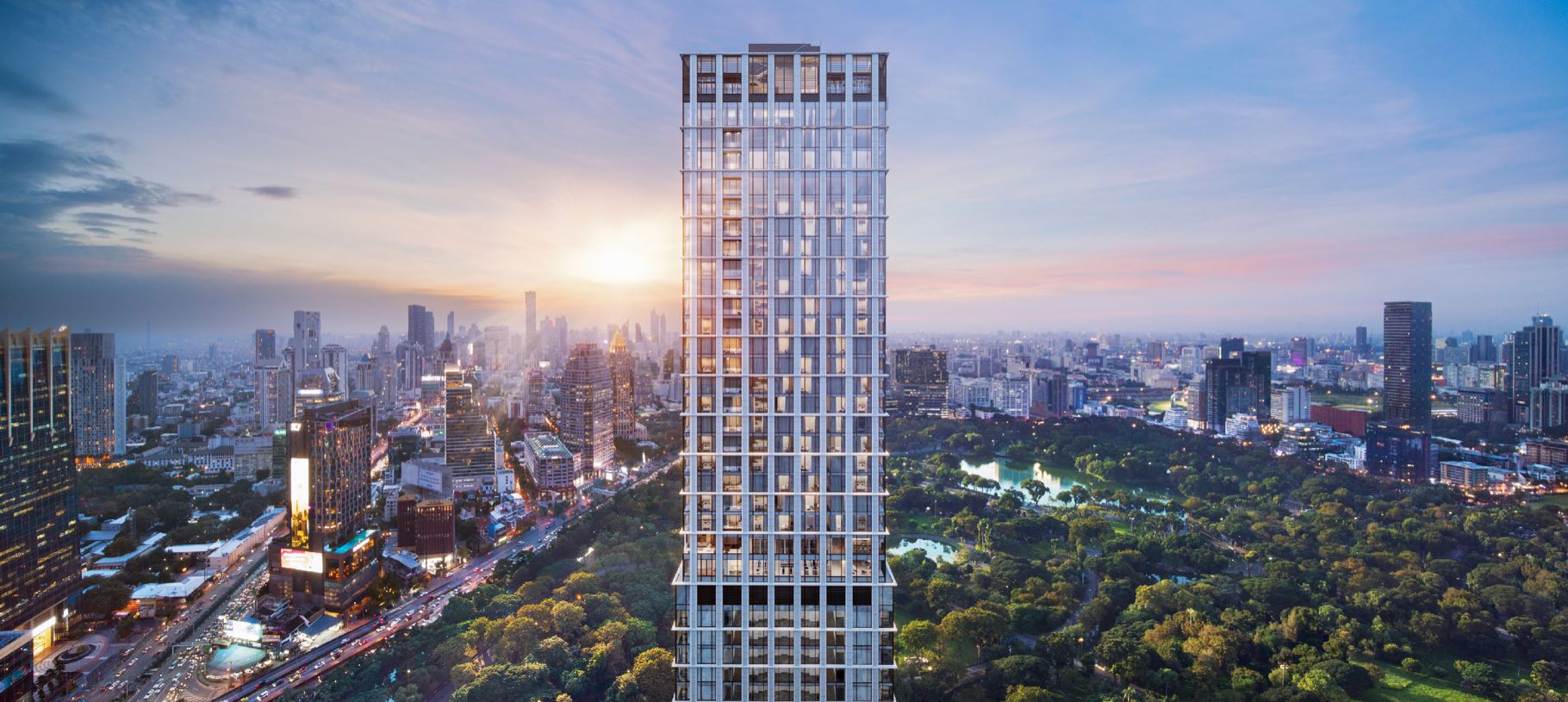
Lumphini is the park-axis corridor in central Bangkok, anchored by the 142-acre Lumphini Park and the embassy district, spanning Wireless Road, Langsuan, Ratchadamri, Sarasin, Chidlom-Ploenchit, and Upper Sathorn, and home to Thailand’s deepest concentration of established luxury condominium towers and branded residences.

02 · The corridor

Six streets. One park. Four sub-markets.

Lumphini Park opened in 1925. It is Bangkok’s first public park. The name comes from Lumbini in Nepal, the birthplace of the Buddha, and the park itself is 142 acres of green at the centre of the city. Most cities of this size lost their central parks to development long ago. Bangkok kept this one.

The streets around the park form what we call the corridor. Six streets define it. Wireless Road on the east. Langsuan and Sarasin on the north. Ratchadamri on the west. Chidlom · Ploenchit on the upper north. Upper Sathorn on the south. There is also one connector street, Soi Ton Son, that runs through the centre and contains some of the most interesting freehold inventory on the corridor.

Five of those streets are served directly by rail. Within a fifteen-minute walk of the park, you reach BTS Ratchadamri, BTS Sala Daeng, MRT Si Lom, MRT Lumphini, BTS Chidlom, and BTS Ploenchit. Six rail stations within walking distance. That is not good transit. That is transit redundancy, and it changes the way a residence here is actually used.

The corridor has three things you will not find together anywhere else in Bangkok. The largest cluster of branded residences delivering between 2024 and 2030. The densest concentration of remaining freehold luxury inventory. And one of the largest stretches of Crown Property Bureau land in central Bangkok. These three facts are connected. The corridor stayed coherent: low-rise where it should be low-rise, dense where it should be dense, walkable where it should be walkable. That coherence exists because most of its land is held by long-term institutions. That is the structure of this place. Not the marketing.

Every residential tower on and around the park sits in one dated table, the Lumphini Park register, with the developer, tenure, floors, residences and stage each building’s record states, and what Embark is on it.

03 · Who lives here

The buyer pool is more varied than most coverage suggests.

Most coverage of Bangkok’s luxury market frames it as a foreign-buyer story. On this corridor, that is not quite true. A steady Thai base sits alongside international buyers, and no single nationality dominates. We publish no percentage split: we hold no audited market-wide data, and a share invented to sound authoritative is worse than none, because it is checkable. What we can report is our own client flow. The most active international buyers here are from mainland China, Taiwan, Japan, Myanmar and the United States, with the UAE, the United Kingdom and France also present. The variety itself is the point, and it has real implications for liquidity and resale that most marketing copy does not address.

Asian high-net-worth

Singapore, Hong Kong, Taiwan

For buyers from Singapore, Hong Kong, and Taipei, the Lumphini corridor offers something almost impossible at home: a residence where you walk from your front door directly into 142 acres of park. In their home cities, park-front property either does not exist or has been held by ultra-elite families for generations. In Bangkok, it is reachable. The phrase that comes up most often in conversations with this buyer is peace of mind. Fresh air, a quiet walk, no traffic to navigate, then back home. For these buyers, green is the truest signal of luxury.

Mainland China

Investment-led, multi-generational

Mainland Chinese buyers usually lead with the investment side. The thinking is location, location, location through cycles. A prime address holds value regardless of what the wider economy does, and rental demand is always there. Many buy a larger unit with multi-generational use in mind: somewhere parents can stay during long visits, somewhere children can use during university summers, somewhere the family hosts friends travelling through Thailand. The unit is a financial asset and a Bangkok base at the same time. Yield is real on this corridor. Capital preservation is the longer story.

Western

UK, Europe, US, Australia

Fewer buyers from the West come here, but their tickets are usually higher. They are usually relocating to Bangkok rather than investing into it. They are looking for clean streets, walkable infrastructure, mature trees, and shops within reach, the small civic features they took for granted at home. Wireless Road and Langsuan are the parts of Bangkok that feel closest to a Singapore or European residential street. For this buyer, the question is rarely will it appreciate. It is can I live here properly.

Thai wealth

Three sub-segments

The Thai buyer is the largest single group on the corridor, and arrives in three shapes. The first is established old wealth: families with primary houses outside Bangkok who keep a corridor unit as a city residence for weekends, holidays, and city-based commitments. The second is returning Thais: second-generation wealth that studied or worked in the US, Singapore, the UK, or Australia, and is now choosing to come home. They want a Bangkok that feels livable, not touristic, and the park-axis corridor is where that feeling concentrates. The third is long-stay residents who have rented in the corridor for years and finally convert to ownership.

Japanese

Embassy, Mitsukoshi, community

Lower in volume than Chinese or Singaporean buyers, but consistently present. Japanese buyers come to this corridor for structural cultural infrastructure: the Japanese Embassy on Wireless Road, the Mitsukoshi anchor at One Bangkok, the cluster of Japanese restaurants and bars around Langsuan and Sukhumvit. The familiarity matters. A Japanese buyer can live here and reach genuinely Japanese groceries, Japanese-trained doctors at BNH, and a Japanese community that does not require translation. Most Bangkok luxury content groups Japanese buyers with Western buyers. They are not the same. They are their own segment, with their own logic.

04 · Four sub-markets

The corridor is not one market. It is four.

Most agents talk about the corridor as one place. We do not. The six streets that wrap Lumphini Park serve very different buyers, and treating them as one market loses the point. Below are the four sub-markets we work with, and the kind of buyer each one fits.

Sub-market 1

Diplomatic spine

Wireless Road

Bangkok's diplomatic spine. The American, Swiss, Dutch, Vietnamese, and Japanese embassies sit along this stretch and the surrounding diplomatic streets. The British Embassy formerly occupied the Wireless / Ploenchit corner; it has since relocated to AIA Sathorn Tower on South Sathorn Road. The visible security presence translates to a calm that is rare in central Bangkok. Mature rain trees form a canopy you do not get elsewhere in the city. Residential plots are limited and what remains trades in the most expensive range on the corridor.

Wireless Road is also where most of the freehold luxury residences sit. 98 Wireless, Athenee Residences, and Upper House Residences anchor the street. All freehold. For buyers who want freehold ownership, embassy-adjacent calm, and Singapore-comparable street quality, Wireless is the natural answer.

Quiet. Freehold. Embassy-adjacent. Old money.

Sub-market 2

Lifestyle residential

Langsuan · Sarasin · Soi Ton Son

The walkable counterpart to Wireless's diplomatic calm. Langsuan is one of Bangkok's most pedestrian-friendly luxury streets. Wide sidewalks, recently renovated. A lifestyle-driven scene of wine bars and rooftop bars. A community that mixes Thai, Japanese, Singaporean, Hong Kong, and European long-stay residents. Mater Dei School and St Regis Kindergarten are within walking reach for families. Villa Market handles the daily groceries.

Sarasin runs along the park's north edge, a tiny, quieter street defined by low-rise zoning, legacy character, and very limited inventory. Soi Ton Son connects the two and contains some of the rarest freehold inventory on the corridor: Muniq Langsuan, Ton Son One. This sub-market is for buyers who want walkability, lived-in dining, family-friendly infrastructure, and a mixed community, rather than diplomatic seclusion.

Walkable. Lifestyle-rich. Family-suitable. Mixed community.

Sub-market 3

Hotel and retail core

Ratchadamri · Chidlom · Ploenchit

The commercial and hotel end of the corridor. This is where retail concentrates: Central Embassy, Central Chidlom, Gaysorn Village. The skywalk system connects Ploenchit BTS through to Siam Paragon without a single street crossing. It is also where most of the new branded residences sit or are coming. Aman Nai Lert Residences, opened April 2025. The Park Hyatt Bangkok hotel above Central Embassy. Forthcoming projects expected on Langsuan and around the Central Embassy extension.

The Ratchadamri end has a distinctive feature: one side is dense with hotels and branded residences (St Regis, Anantara Siam, Grand Hyatt Erawan, Waldorf Astoria), while the other side is the Royal Bangkok Sports Club. The club takes up most of the western side of the street. Because the club will not be redeveloped, many residences keep clear, uninterrupted views. For buyers who want hotel-branded living, indoor walkable luxury retail, and BTS access, this is the natural sub-market.

Hotel-branded. Retail-rich. BTS-connected. Hospitality-driven.

Sub-market 4

Transitional / corporate

Upper Sathorn

Sathorn is the corridor's transitional zone, half park-axis, half corporate corridor. More office towers at street level than any of the other streets, with the embassies of Singapore, Myanmar, and Germany clustered nearby (and the British Embassy now relocated to AIA Sathorn Tower on South Sathorn Road). The pace pattern here is unique. Weekday density empties out at the weekend, when the offices close and the street becomes one of the quieter residential addresses on the corridor. Almost no tourists. The Sukhothai Bangkok, the Standard Bangkok, and BNH Hospital anchor the lifestyle side.

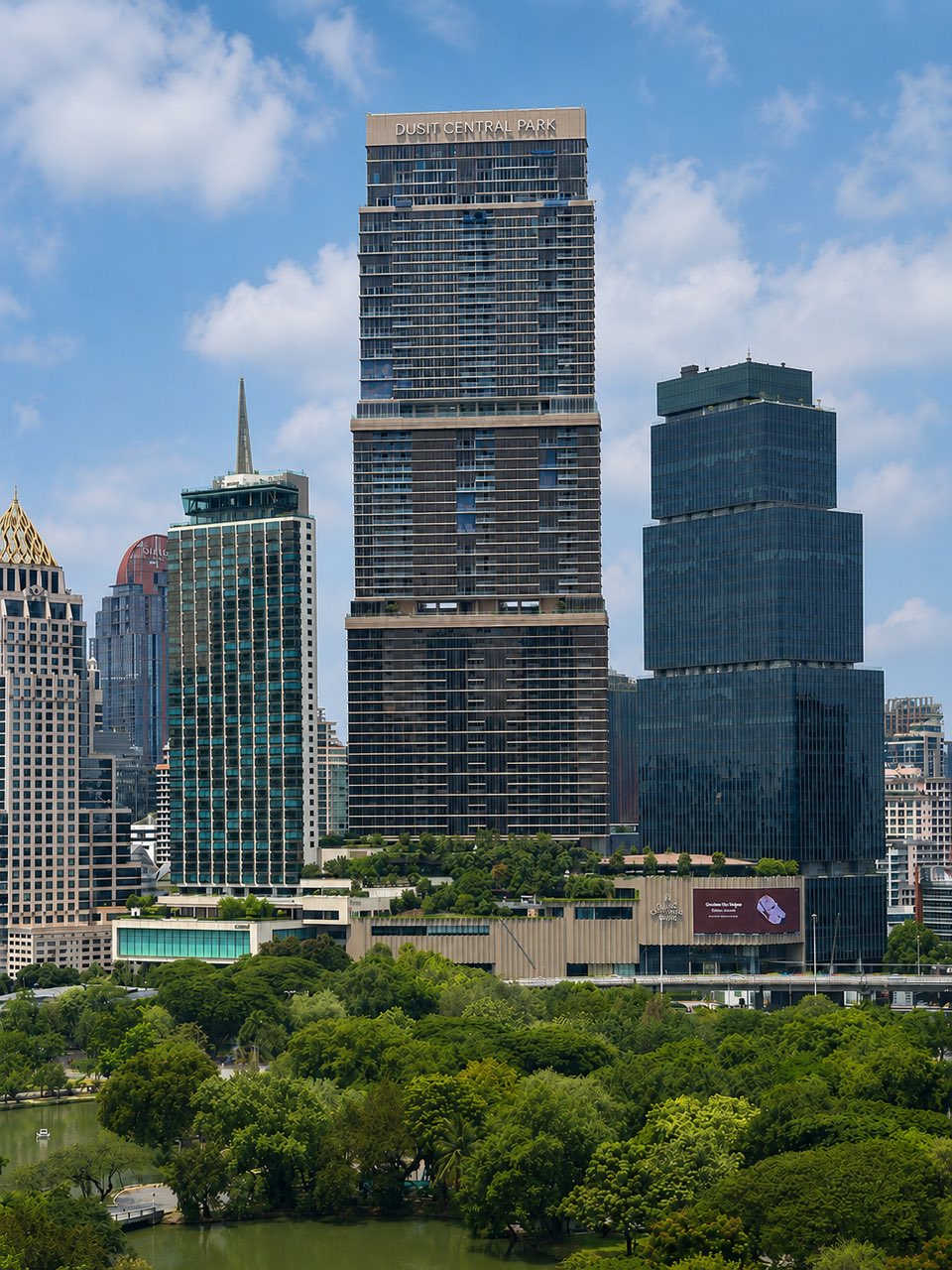
Transit options here are the strongest of all six streets: five rail stations within walking distance (BTS Sala Daeng, Saint Louis, Chong Nonsi; MRT Lumphini, Si Lom). The Dusit Central Park development, completing 2026, integrates BTS and MRT directly into the residential complex. Nothing else in Bangkok is built like this. For buyers whose workplace logic comes first, who want medical proximity to BNH, or who want transit redundancy without the tourist density of the other sub-markets, Sathorn is the answer.

Workplace-driven. Multi-modal transit. Weekend quiet. Design-led architecture.

The next section walks each of the six streets in detail.

05 · The streets

What each street is actually like.

The four sub-markets are useful at the buying-decision stage. But each street has its own character, its own mix of residences, its own honest tradeoffs. What follows is the corridor walked one street at a time.

Street 01

Wireless Road

The diplomatic spine

Wireless Road is the slowest of the six streets. It is also four lanes wide. That contradiction tells you something about the street: heavy traffic in the morning rush, real calm the rest of the day. The reason is the embassies. The American, Swiss, Dutch, Vietnamese, and Japanese embassies sit along this stretch, and the security presence around them is genuinely visible. Streets are clean, walkways are maintained, and the police presence is consistent in a way you do not get elsewhere in central Bangkok. The British Embassy formerly occupied a 23-rai compound at the Wireless / Ploenchit corner; that compound was sold to Central Group between 2007 and 2017 and has now been redeveloped as Central Embassy. The British Embassy itself relocated to the AIA Sathorn Tower on South Sathorn Road.

Read more about Wireless RoadShow less

The mature rain trees that line Wireless Road form a canopy you also do not get elsewhere in the city. Recent improvements (underground electricity, renovated walkways) have made the street materially nicer to walk than it was five years ago. The best stretch is from Upper Wireless south to the Sarasin intersection. This is the territory of Upper House Residences, and the stretch the corridor's most considered buyers tend to gravitate toward.

Residential plots on Wireless are limited. Embassies and their associated residences have taken most of them over decades. What remains trades in the most expensive range on the corridor. Almost no restaurants sit on Wireless itself; for dining and bars, residents walk to Langsuan or Central Embassy.

Wireless is also home to the densest cluster of freehold luxury residences in central Bangkok. Three of the most significant projects on the street (98 Wireless, Athenee Residences, and Upper House Residences) are all freehold. In a city where most luxury inventory is leasehold, this is genuinely unusual. The freehold concentration is one of Wireless Road's defining structural features, and one of the strongest reasons international buyers focused on tenure security come here first.

The honest tradeoff: morning traffic. The four lanes carry rush-hour volume, and the street is not residentially quiet between 7am and 9am. After that, the calm settles in.

Wireless is for buyers who want freehold ownership, embassy-adjacent calm, and old-money quiet. Not for buyers who want streetlife.

Read the full guide to Wireless Road

Photograph forthcomingWireless Road, looking south under the rain-tree canopy

Street 02

Langsuan

The lifestyle street

Langsuan is where the corridor walks. It is one of the most pedestrian-friendly luxury streets in central Bangkok. The sidewalks were renovated within the past three to five years and are wide, clean, and properly maintained. The street is one-way, which means traffic moves slowly and consistently, and the overall sound is much quieter than Wireless or Ratchadamri.

Read more about LangsuanShow less

The character of Langsuan is residential first and lifestyle-rich second. Cafes, wine bars, and rooftop bars sit along the street. Villa Market, the area's main daily-grocery anchor, is on Langsuan itself. Velaa Sindhorn Village, a small luxury dining and shopping precinct, is a short walk away. The community on Langsuan reflects who lives there: a genuine mix of Thai, Japanese, Singaporean, Hong Kong, and European long-stay residents, with the Kempinski Bangkok drawing a particularly strong European long-stay crowd.

For families, Langsuan also has school infrastructure within walking reach. St Regis Kindergarten sits on the street. Mater Dei School, the well-known private all-girls Catholic school founded in 1928, is at 534 Ploenchit Road, walkable from upper Langsuan.

Several upcoming projects will reshape the street further. Further branded residences are expected on Langsuan, with no operating brand yet announced. Frasers' freehold plot opposite Kempinski, recently auctioned by Colliers. The WellEra by BDMS mixed-use development at the Langsuan / Sarasin / Soi Ton Son corner, a $697 million wellness, hotel, and serviced-residence complex on Crown Property Bureau land, with construction starting in 2026 and opening expected in 2030. The street is in real motion.

Langsuan is for buyers who want walkability, lived-in dining, mixed international community, and family-friendly infrastructure. The corridor's most lived-in street.

Read the full guide to Langsuan

Photograph forthcomingLangsuan, evening, the dining stretch toward Ploenchit

Street 03

Ratchadamri

The hotel and hospitality end

Ratchadamri is the corridor's commercial face. This is the hotel-and-retail end: broader, more commercial, more internationally trafficked than Wireless or Langsuan. The Anantara Siam Bangkok, Grand Hyatt Erawan, Waldorf Astoria Bangkok, Hansar, Courtyard by Marriott, Dusit Suites, and the Residences at The St Regis Bangkok all sit on or just off Ratchadamri. Hotel concentration is the highest of any street on the corridor.

Read more about RatchadamriShow less

The street has an unusual structure that shapes how it feels. One side is dense with hotels and branded residences. The other side is the Royal Bangkok Sports Club, a private members' club that occupies most of the western side of Ratchadamri. The club includes Bangkok's only horse-racing track within central Bangkok, a golf course, tennis courts, and clubhouse facilities. Because the club will not be redeveloped, many residences along Ratchadamri keep clear, uninterrupted views toward Lumphini Park and the Sports Club greenery. This is rare in Bangkok, where future-tower view risk is a constant question.

Ratchadamri also has the strongest BTS access of the corridor. BTS Ratchadamri sits at the north end, with direct skywalk connections through to Siam Paragon, CentralWorld, and Central Embassy. For buyers who want indoor walkable luxury retail and BTS connectivity without crossing a street, this is the corridor's most convenient address.

Ratchadamri is for buyers who want hotel-branded living, retail walkability, BTS connectivity, and west-facing park views unobstructed by future development.

Read the full guide to Ratchadamri

Photograph forthcomingRatchadamri, looking up at the hotel facades, Royal Bangkok Sports Club opposite

Street 04

Sarasin

The park-edge street

Sarasin runs along the north edge of Lumphini Park. It is the smallest of the six streets and one of the quietest, defined by low-rise zoning that has been preserved by Crown Property Bureau tenure on much of the land. The street is short. You can walk its length in under ten minutes. The supply of residential inventory on it is correspondingly tight.

Read more about SarasinShow less

The character is intimate and park-edge. From the right unit, you look directly down onto the canopy of Lumphini Park's mature trees. The Lumphini to Benjakitti Skywalk, opened in 2022, connects Lumphini Park directly across to Benjakitti Park via an elevated pedestrian walkway, expanding the walkable green network considerably. Sarasin's residential value is also closely tied to the Sindhorn family compound, which contains several of the street's most distinguished freehold and leasehold properties.

Buyers either understand Sarasin immediately or never quite do. There is rarely a middle ground. For those who do, the supply scarcity is the point. For those who do not, the smallness of the street and the limited dining feel like a disadvantage. Both responses are accurate to who the buyer is.

Sarasin is for buyers who want park-edge intimacy, low-rise quiet, and supply scarcity. Polarising: buyers either love it or do not get it.

Read the full guide to Sarasin

Photograph forthcomingSarasin, the park-edge sidewalk under the canopy

Street 05

Chidlom · Ploenchit

The retail and transit core

Chidlom · Ploenchit is the densest part of the corridor. It is also the most commercially active. The retail concentration here is the highest in central Bangkok: Central Embassy, Central Chidlom, Gaysorn Village, and CentralWorld all sit within walking distance, and the BTS skywalk system connects Ploenchit station through to Siam Paragon entirely indoors. For residents, this means a daily life that does not require crossing a street between home and the Apple Store, the Hermès flagship, or any of the major hotels.

Read more about Chidlom · PloenchitShow less

The energy on Chidlom · Ploenchit is closer to Sukhumvit than to Wireless or Sarasin. It is dense, urban, retail-driven. The street itself, Ploenchit Road specifically, is wide and traffic-heavy, particularly during peak hours. The residential value lives on the side sois: Soi Ruamrudee, Soi Ton Son, Soi Mahatlek Luang. These quieter sois, branching off the main road, are where the actual residences sit.

This is also where most of the new branded residences sit or are coming. Aman Nai Lert Bangkok opened on 2 April 2025, occupying a 36-storey tower at Nai Lert Park with 52 hotel suites and up to 34 branded residences. The Park Hyatt Bangkok hotel sits above Central Embassy. The big new construction behind Central Embassy, an extension of the mall with luxury leasehold residences planned, is rumoured to start in 2026 and complete in four to five years. Several other branded residences are in pre-launch on this stretch.

Established residences on Chidlom · Ploenchit include 28 Chidlom, Noble Ploenchit, Park Chidlom, The Address Chidlom, and Somkid Gardens. The last of these is one of the corridor's quietly distinguished old-money buildings, completed in 1995, freehold, with a small unit count and large floor plates that have aged unusually well. A new Sansiri freehold flagship is also expected in the Chidlom area, with one penthouse reportedly already sold pre-launch for nearly ฿500 million.

The cost is real: this is not a quiet street. Ploenchit Road carries the corridor's heaviest traffic, and the foot traffic from the malls is constant. Residents trade some peace for convenience. For buyers who want both, the convenience of Chidlom · Ploenchit and the quiet of Wireless or Langsuan, the side sois are the answer.

Chidlom · Ploenchit is for buyers who want indoor walkable luxury retail, hotel-branded living, and BTS skywalk access. The most urban street on the corridor: the residential value is on the side sois.

Read the full guide to Chidlom · Ploenchit

Photograph forthcomingChidlom · Ploenchit, the skywalk above the retail core

Street 06

Upper Sathorn

The transitional zone

Sathorn is the corridor's transitional zone. It is half park-axis, half corporate corridor, and the dual character is real. More office towers sit at street level here than on any of the other five streets, with the embassies of Singapore, Myanmar, and Germany clustered along the Sathorn end. The British Embassy is also now on Sathorn (relocated from Wireless to AIA Sathorn Tower at 11/1 South Sathorn Road, next to BTS Saint Louis). The street has its own pace pattern: weekdays are dense, with rush-hour traffic and corporate foot traffic; weekends quiet down considerably as the offices empty.

Read more about Upper SathornShow less

The transit access here is the strongest of all six streets. Five rail stations within walking distance: BTS Sala Daeng, BTS Saint Louis (the newest, near Sathorn Soi 10/12), BTS Chong Nonsi, MRT Lumphini, and MRT Si Lom. The Dusit Central Park development, currently completing for handover from July 2026, integrates BTS and MRT directly into the residential complex, a configuration that does not exist anywhere else in Bangkok.

Sathorn's lifestyle infrastructure concentrates on the side sois rather than the main road. Sathorn Soi 10 and Soi 12 host a strong coffee culture (Luka Bangkok, Miffi, Rocket Coffeebar) and a growing breakfast scene. The Commons Saladaeng, the lifestyle community mall on Sala Daeng, draws a particular kind of design-conscious crowd. BNH Hospital, one of Bangkok's most established private hospitals, sits on Convent Road, walkable from upper Sathorn, a real consideration for buyers prioritising medical proximity.

The Sukhothai Bangkok and the Standard Bangkok anchor Sathorn's hotel side. Empire Tower hosts one of the highest-altitude coffee shops in Bangkok (Arabica %). The Great Room Park Silom is the area's best-regarded co-working space.

Established residences include The Met (the WOHA-designed building widely considered one of Bangkok's most architecturally distinguished), The Sukhothai Residences, Sathorn Gardens, and The Diplomat Sathorn. Tait Sathorn 12, a Raimon Land and Tokyo Tatemono freehold project completed in 2023, designed by A49, is the most recent significant addition. The Sala Daeng sub-area, slightly off the main Sathorn axis, includes Saladaeng One, The Legend Saladaeng, and Saladaeng Residences.

A smaller-plot Ananda project is rumoured for the Rama IV stretch, not yet publicly confirmed. SC Residence, an 85-residence freehold tower by SC Asset, is in pre-launch beside the park off Rama IV, and The Ascott Embassy Sathorn Residences are also coming.

The price is weekday density. Sathorn during business hours feels more like a CBD than a residential corridor. For buyers who work in Silom or Sathorn, that is a feature. For buyers who want park-axis residential calm seven days a week, the other streets serve better.
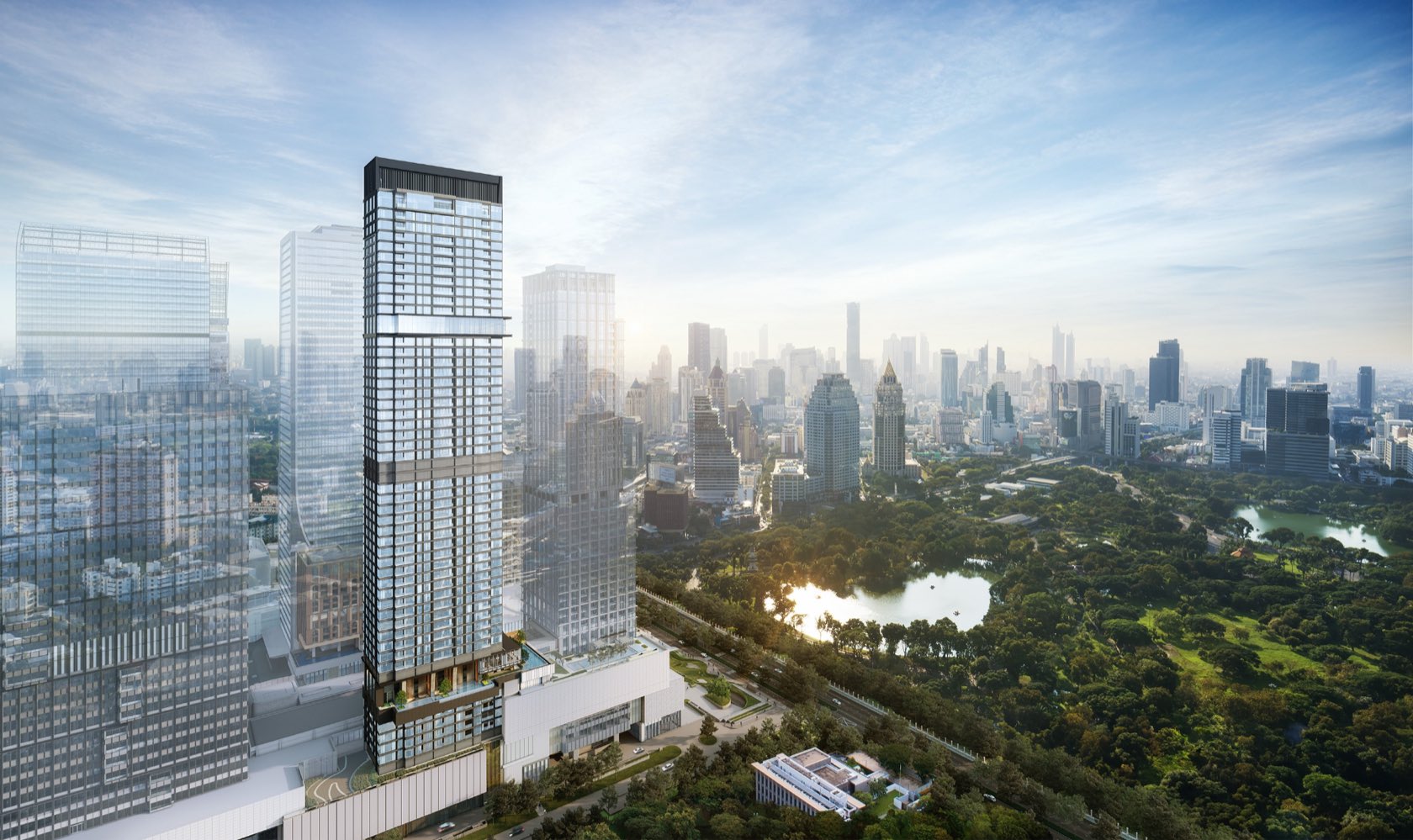
Sathorn is for buyers whose workplace is in Silom or Sathorn, buyers who want medical proximity to BNH, buyers who want transit redundancy, and buyers seeking design-led architecture. Quieter at weekends than weekdays.

Read the full guide to Upper Sathorn

Photograph forthcomingUpper Sathorn, the office-tower spine looking toward Lumphini

The connector

Soi Ton Son

The quiet freehold pocket

Soi Ton Son is not one of the six main streets. It is a connector, a smaller side road that runs through the centre of the corridor, linking Sarasin, Langsuan, and Chidlom · Ploenchit. Despite its size, it contains some of the most significant freehold inventory on the entire corridor, which is why it deserves its own mention.

Read more about Soi Ton SonShow less

The character of Soi Ton Son is residential first. It is quieter than Langsuan, smaller than Wireless, and almost entirely without commercial frontage. The Netherlands Embassy and the residence of the US Ambassador occupy most of one side, which structurally protects the street from over-development and keeps it consistently quiet.

The freehold residences on Soi Ton Son are the reason it matters to buyers who care about tenure. Muniq Langsuan, despite the name, is located on Soi Ton Son and is freehold, completed in 2021, designed by Palmer & Turner, with 163 units in a 28-storey tower. Ton Son One is also freehold. Sindhorn Residence, the Sindhorn family's leasehold building on the Sindhorn Village land, sits adjacent. For buyers comparing freehold options outside Wireless Road, Soi Ton Son is where the search concentrates.

Soi Ton Son is for buyers who want freehold ownership in a quiet, residential setting away from the main retail-and-traffic streets. The corridor's hidden enclave.
Photograph forthcomingSoi Ton Son, the embassy-walled stretch, midday quiet
07 · The freehold question

Freehold here is finite. Named. Trackable.

Most of Bangkok's luxury inventory is leasehold. The Lumphini corridor is one of the few exceptions where genuine freehold buildings exist in meaningful concentration, and once they trade out, there is no more supply. This is the actual scarcity story. Not buy in Lumphini in general, but specifically: the freehold inventory is finite, it is named, and it is trackable on a building-by-building basis.

Below is the freehold landscape across the corridor as it stands today.

StreetFreehold projectsTenure character
Wireless Road98 Wireless, Athenee Residences, Upper House ResidencesPredominantly freehold
Langsuan + Soi Ton SonLangsuan, NIMIT Lumphini Park North, Muniq Langsuan, Ton Son One, Q Langsuan, Scope LangsuanMixed, notable freehold exceptions
Ratchadamri185 RajadamriMostly leasehold, one freehold exception
Sarasinupcoming Sansiri flagshipMostly leasehold
Chidlom · Ploenchit28 Chidlom, Somkid Gardens, The Address Chidlom, upcoming Sansiri ChidlomMostly leasehold, notable freehold
Upper SathornThe Met, Tait Sathorn 12Mixed

Three forthcoming Sansiri super-luxury flagships will add new freehold supply to the corridor over the next five years: one on Sarasin, one in Chidlom, and one in Sukhumvit 51 (outside the corridor proper). Sansiri has publicly described these as projects expected to set new price-per-square-metre records in Thailand. Once those are absorbed, the corridor's freehold landscape will return to its current finite shape, a small, named, trackable inventory.

Walking buyers through the actual freehold inventory, building by building, is the kind of work a boutique advisory makes the centre of the conversation. It requires the corridor to be known, not just listed.

08 · The leasehold question

Why leasehold here is not the weakness it is framed as.

Most coverage of Bangkok luxury treats leasehold as a liability. Something to apologise for, or to obscure. We disagree. Leasehold here is not the weakness it is framed as. In many cases, it is the structure that makes the corridor what it is.

Most of the land on Langsuan, Sarasin, Soi Ton Son, and parts of Wireless and Ratchadamri is held by the Crown Property Bureau. The CPB is one of the most institutionally stable long-term landowners in the world. Its land tenure is precisely why this corridor has stayed coherent: low-rise where it should be low-rise, dense where it should be dense, walkable where it should be walkable. Speculative private ownership without a long-term institutional landowner would have produced a very different neighbourhood. Many other parts of Bangkok, with looser zoning and fragmented ownership, look exactly like that.

The leasehold framing also misreads how leasehold works in most of the world's most valuable real estate markets. London Mayfair is leasehold (Grosvenor Estate, Cadogan Estate). Hong Kong is almost entirely leasehold (Government leases). Singapore's prime residential is mostly leasehold (state). The leasehold-equals-risk narrative is largely a quirk of the Thai market, where freehold has historically been positioned as the only legitimate tenure. International buyers from leasehold-dominant home markets often recognise the structure faster than local marketing acknowledges.

Lease structures on this corridor vary. The most common form is a 30-year registered lease with a contractual option for a further 30-year renewal, though terms differ between developments and between landowners. Effective duration depends on the specific lease document, the landowner, and Thai legal interpretation of renewal clauses, which is why we walk through each lease individually with the buyer's legal counsel. Pricing on leasehold units sits below comparable freehold per square metre, sometimes substantially. That price difference produces three economic outcomes worth understanding.

Yield

Rental income in prime Bangkok is largely independent of tenure type. A high-floor unit at a branded leasehold residence rents at the same price as a comparable freehold unit. With a lower entry price, rental yields on leasehold are typically higher than on freehold. For buyers prioritising income over capital preservation, leasehold often wins on the maths.

Holding period sensitivity

Leasehold pricing tends to hold for the first 10 to 20 years of ownership and begins depreciating as the remaining lease shortens. Buyers planning a 5 to 15 year hold often find leasehold the smarter buy. Buyers planning multi-generational hold are usually better served by freehold.

Institutional stability

Crown Property Bureau leases are honoured, renewed, and administered with institutional consistency. The leasehold risk that exists in markets without an institutional landowner is structurally different from leasehold on CPB land here. This is a distinction most generic luxury content does not draw.

09 · Within walking distance

What is here, in the order buyers ask.

Buyers ask about a neighbourhood in a particular order. Transit first. Then groceries. Then dining. Then shopping. Then hospitals. Then schools, usually last. We have organised this section to match. Not to sell the corridor up, but to describe what is actually here.

Transit

The corridor is served by six rail stations within a fifteen-minute walk of Lumphini Park. This level of transit redundancy is rare in Bangkok and changes how a residence is actually used.

In Bangkok's heat and humidity, walkable deserves a precise definition. The walking distances below are measured to typical mid-corridor residential addresses, not to the perimeter:

  • BTS Ratchadamri, at the park's north-east corner, a 3-minute walk to mid-Ratchadamri residences
  • BTS Sala Daeng, south-west corner, interchange with MRT Si Lom, about 500m from Upper Sathorn residences
  • MRT Si Lom, Sala Daeng interchange, about 500m from Upper Sathorn
  • MRT Lumphini, south-east corner of the park, at Rama IV and Wireless Road; Dusit Central Park connects to MRT Si Lom and BTS Sala Daeng
  • BTS Chidlom, north of the park, about 700m from upper Langsuan
  • BTS Ploenchit, north of the park, about 600m from upper Langsuan, about 800m from upper Wireless

The skywalk from BTS Ploenchit into Central Embassy is air-conditioned and continuous. From Ploenchit, a resident can reach Siam Paragon entirely through indoor and elevated walkways, a real advantage in the rainy season and in the hottest months of the year.

Browse the full walkable inventoryHide the full inventory

Shopping and retail

  • Central Embassy, the corridor's luxury anchor; Park Hyatt Bangkok above
  • Central Chidlom, flagship Central department store
  • Gaysorn Village, Hermès, Louis Vuitton, Bottega Veneta, smaller boutiques
  • Erawan Bangkok, boutique luxury, adjacent to the Erawan Shrine
  • CentralWorld, large-scale, mass-luxury, walkable via skywalk
  • Siam Paragon, accessible via skywalk from Chidlom
  • Velaa Sindhorn Village, small, design-led precinct on Soi Ton Son
  • Villa Market on Langsuan, daily groceries
  • Tops Food Hall, in Central Embassy, premium grocery
  • Lemon Farm, organic, Sindhorn Building

Hotels

  • Park Hyatt Bangkok, above Central Embassy
  • St Regis Bangkok, Ratchadamri
  • Anantara Siam Bangkok, Ratchadamri (formerly Four Seasons)
  • Grand Hyatt Erawan, Ratchaprasong
  • Waldorf Astoria Bangkok, Ratchadamri
  • Four Seasons Bangkok, moved to riverside
  • Kempinski Bangkok, Pathumwan, near Langsuan
  • Aman Nai Lert Bangkok, opened 2 April 2025
  • Sindhorn Kempinski, Wireless / Sindhorn Village
  • The Sukhothai Bangkok, Sathorn
  • The Standard, W, Banyan Tree, Sathorn
  • InterContinental, Holiday Inn, Ploenchit

Restaurants

A short reference list rather than an exhaustive one. The corridor has hundreds of restaurants worth knowing about; below are reference points.

  • Sühring, modern German (Michelin-starred)
  • Saneh Jaan, refined Thai, Sindhorn Building
  • Issaya Siamese Club, modern Thai
  • Penthouse Bar + Grill, Park Hyatt Bangkok
  • Eathai & Open House, Central Embassy
  • Charm, popular Thai, Sala Daeng
  • Royal Bangkok Sports Club, British Club, Polo Club, for members

Embassies

The diplomatic concentration is one of the corridor's defining features. Most embassies cluster on Wireless Road and the Sathorn end.

  • US Embassy, Wireless Road
  • British Embassy, AIA Sathorn Tower, 11/1 South Sathorn Road
  • Swiss, Dutch, Vietnamese, Japanese, Wireless Road area
  • Singaporean, German, Sathorn
  • Indonesian, Phetchaburi (slightly further)

Hospitals

  • BNH Hospital, Convent Road, walkable from upper Sathorn; the corridor's primary private hospital
  • Bumrungrad International, Sukhumvit, 10 to 15 min drive; among the most internationally recognised hospitals in Asia
  • BDMS Wellness Clinic, Wireless Road, preventive and wellness care
  • Samitivej, slightly further out
  • St Louis, Sathorn
  • King Chulalongkorn Memorial, Sathorn / Rama IV (university hospital, public)

For routine care, BNH covers most needs. For specialist work, Bumrungrad is widely used by international residents.

Clubs

The Lumphini corridor is unusual in that it preserves a layer of old Bangkok social infrastructure that does not exist elsewhere in the city. Membership at any of these clubs is part of how some residents on the corridor structure their social and professional lives.

  • The Royal Bangkok Sports Club, horse racing, golf, tennis, swimming, dining
  • The British Club, Suriwongse; one of the oldest expatriate clubs in Asia
  • The Polo Club, off Wireless Road; equestrian, fitness, dining

Parks and green space

  • Lumphini Park, 142 acres, Bangkok's first public park, opened 1925; an active 5am to 7am running and tai chi culture, and an active 6pm to 9pm dance and group-exercise culture
  • Benjakitti Park, connected to Lumphini via the Lumphini to Benjakitti Skywalk
  • Saranrom Park, Old Town, further
  • Benjasiri Park, Sukhumvit, further

Lumphini Park itself is irreplaceable in central Bangkok. Nothing else of this scale exists in the city centre.

Schools, with an honest caveat

The walkable schools on the corridor are limited but real:

  • Mater Dei School, 534 Ploenchit Road; private all-girls Catholic, founded 1928
  • St Joseph Convent School, Convent Road, private all-girls Catholic
  • Bangkok Christian College, Sathorn, private boys' school
  • St Regis Kindergarten, Langsuan
  • Mulberry House International Preschool, Langsuan area

These are good local schools. They are not the international schools that most foreign families ask about. The major international schools in Bangkok (NIST, Bangkok Patana, ISB, Shrewsbury, Harrow, KIS, Brighton College) are all 20 to 45 minutes away by car. For families with children at international schools, this is the corridor's clearest weakness. We cover this directly in the next section.

Cultural and lifestyle

  • Erawan Shrine, Ratchaprasong, the four-faced Brahma shrine
  • Jim Thompson House, short walk; preserved teak compound and museum
  • Royal Turf Club site, currently in redevelopment
  • Chulalongkorn University area, walkable to Siam Square / Sam Yan
  • One Bangkok, the 104-acre integrated district completing in phases through 2027 to 2028
10 · What is not walkable

What this corridor does not do well.

Every neighbourhood has limits. Most luxury sites do not name them, usually because pretending the limits do not exist is the easier sales position. We disagree. The buyer who finds out about a limitation late in the process feels misled. The buyer who learns it early can decide if it matters. Below are the honest gaps on the Lumphini corridor.

International schools

The single most honest weakness of this corridor for family buyers. The major international schools in Bangkok (NIST, Bangkok Patana, ISB, Shrewsbury, Harrow Bangkok, KIS, Brighton College) are all 20 to 45 minutes by car each way. None are walkable from the corridor. This is why some family buyers, after looking carefully at the Lumphini corridor, quietly choose Sukhumvit instead. Phrom Phong, Thonglor, and Ekkamai are closer to NIST and several other international schools. If you are a family with children at international schools, Lumphini may not be the right corridor. We will say this directly during our first conversation rather than at the second viewing.

Major hospitals beyond BNH

BNH Hospital handles most needs and is genuinely walkable from upper Sathorn. For specialist care, however, Bumrungrad International (Sukhumvit), Samitivej Sukhumvit, and BDMS Wellness Clinic are all short drives, not walks. Most international residents in the corridor use BNH as primary and Bumrungrad for specialist work. The arrangement works well, but it does require a car for a category of medical visits.

The river

There is no walking access to the Chao Phraya River from this corridor. Buyers used to Hong Kong harbour views or Singapore river-front living need to recalibrate. Mandarin Oriental, Four Seasons Bangkok (now riverside), Capella Bangkok, and the Riverside Plaza area are all 15 to 25 minutes by car. If river-facing residential is the priority, the corridor is not the answer. If a quiet park is the priority, it is.

Sukhumvit dining and nightlife depth

Thonglor, Ekkamai, and Phrom Phong have a deeper independent dining scene than the Lumphini corridor. More casual restaurants, more bar density, more late-night options, more turnover and freshness in the dining scene. Most luxury buyers on this corridor see this as a feature; they prefer Lumphini's quiet. But for buyers under 35 with party-heavy social calendars, Sukhumvit makes more sense. The corridor's hotel bars and rooftops cover the upper end of nightlife, but the depth of the Sukhumvit scene is real and worth being honest about.

Big-box retail

IKEA, HomePro, Boonthavorn, and large-scale electronics shopping all require a drive, typically to Rama III, Bang Na, or Mega Bangna. Day-to-day household basics are well covered by Central Embassy, Central Chidlom, and the corridor's grocery anchors. But anything larger, renovation runs, furniture purchases, big-format electronics, means a car trip. This is true of essentially every prime central residential address globally; the Lumphini corridor is not unusual in this regard.

Late-night convenience

Sukhumvit has 24-hour everything. The Lumphini corridor quiets down by 11pm, with most retail and street-level dining closed. The hotel bars and lobby restaurants are open later, and convenience stores stay open through the night, but the late-night density of Sukhumvit is genuinely different. Most luxury buyers see the corridor's earlier wind-down as a positive. Worth naming so the comparison is honest.

Acknowledging these gaps does not weaken the corridor's case. It clarifies it. The corridor's strengths are observable and structural: the park, the freehold concentration, the diplomatic calm, the transit redundancy, the branded residence cluster. The honest tradeoffs are observable too. A buyer who understands both makes a better decision. A boutique advisory's job is to help with both sides of that picture.

11 · What is coming

An unusual five years for the corridor.

Between 2024 and 2030, the Lumphini corridor is delivering a concentration of ultra-prime branded residences with no parallel in Bangkok history. Aman, Dusit, Swire's Upper House, multiple Sansiri flagships, and several One Bangkok components are all either delivered, in construction, or in pre-launch within the same five-year window. This is the macro market context buyers are stepping into. Below is what we know, organised by certainty.

Stage 01

Already delivered

  • Aman Nai Lert ResidencesOpened 2 April 2025; up to 34 branded residences, 52-suite hotel, designed by Jean-Michel Gathy of Denniston Architects.

Stage 02

Under construction or confirmed

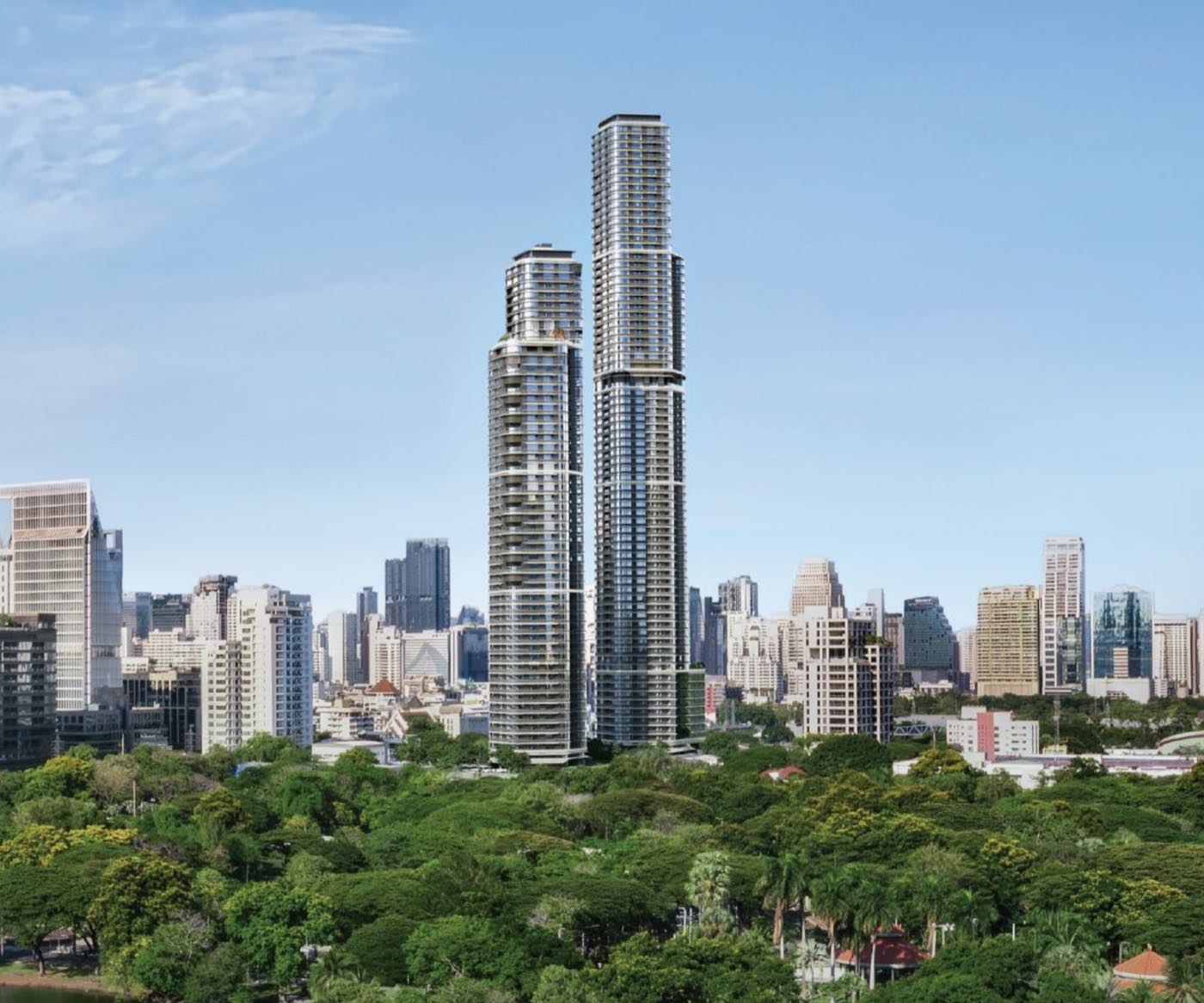
  • Upper House ResidencesSwire Properties and City Realty, Wireless Road, two towers (213.6m and 283.2m), Foster + Partners architecture, freehold. Embark is an appointed sales partner.
  • EI8HTEEN SEVENOne Bangkok masterplan; Embark partnership.
  • ONE89 WirelessOne Bangkok masterplan, Wireless Road; Embark partnership.
  • Dusit ResidencesDusit Central Park, leasehold, handover from July 2026; Embark advises on resale and rental.
  • Scope Langsuanunder construction.
  • NIMIT Lumphini Park Northpre-launch, freehold.
  • Sindhorn Village expansionsmultiple components in different stages.
  • WellEra by BDMSLangsuan / Sarasin / Soi Ton Son corner, $697M USD investment, leasehold, hotel and serviced residences, 2030 opening.
Show what is rumoured but not yet confirmedHide rumoured pipeline

Stage 03

Strong signals or rumoured

The corridor has several projects with strong insider signal but not yet confirmed publicly. We name what we can reliably reference, and we do not over-claim where confirmation is not yet public.

  • Further branded residences on Langsuanbranded residences expected on the street; operating brand not yet announced, and no details publicly confirmed.
  • SC Residence, off Rama IVin pre-launch; SC Asset, freehold, 85 residences over 37 floors. Operating brand not announced; a reported link to Rosewood Residences Bangkok is unconfirmed by the developer and by the brand.
  • Smaller-plot ultra-prime project on Rama IVrumoured branded residences; developer-brand confirmation pending.
  • Three Sansiri super-luxury flagshipsone on Sarasin (replacing Hugs Tower), one in Chidlom (penthouse reportedly sold pre-launch for nearly ฿500M), one in Sukhumvit 51 (outside the corridor).
  • Central Embassy extension residencesrumoured 2026 start, four to five year completion.

The implication for buyers is structural. Buyers entering the corridor in 2026 are buying into a neighbourhood that will look materially different by 2028: denser branded residence supply, the One Bangkok district fully active, Dusit Central Park complete, the BDMS wellness complex under construction. The southern edge of the park, in particular, will function as a new neighbourhood by 2027 to 2028. None of this guarantees price appreciation. It does mean today's buyers are not buying the corridor as it is. They are buying it as it will be.

12 · Daily life

Lumphini Park lives twice a day.

Most luxury sites describe the park as a green amenity. Residents discover it is a daily rhythm.

Between 5 and 7 in the morning, before the heat, before the traffic, before the city wakes up properly, the park belongs to the runners, the tai chi groups, the badminton players, the elderly walkers doing their morning laps. The running culture is genuinely strong. So is the outdoor exercise culture. The corridor wakes up to the sound of the park.

Then, between 6 and 9 in the evening, once the heat lifts, the park lives a second time. Open-air dance sessions. Group workouts. Sweat-it-out aerobics. Locals come, exercise hard, get food on the way home, and do it all over again the next morning. This second peak is something foreign visitors rarely see in the daytime, and rarely write about in luxury content. It is one of the most genuinely Thai community rituals in central Bangkok.

Buyers who walk the park once at 6am and once at 7pm understand the corridor differently afterwards. The park is not a green amenity. It is what gives the corridor its rhythm.

13 · Featured projects

Where Embark is appointed.

Embark holds appointed sales roles on four flagship projects on the corridor: Upper House Residences, The Wireless Residences by Upper House, EI8HTEEN SEVEN, and ONE89 Wireless. These are the projects we represent directly, not simply list; for each, the appointment is specific and verifiable, and we name our role alongside other appointed agents where applicable. At Dusit Residences, below, Embark is not appointed: it is one of our most active buildings, and we advise on resale and rental there. We work on additional luxury projects across Bangkok through our developer network.

Upper House Residences

Wireless Road

Upper House Residences

The corridor's flagship branded freehold project. Developed by City Dynamic, a joint venture between Swire Properties (Hong Kong) and City Realty. Two towers (213.6m and 283.2m) directly adjacent to Lumphini Park on Wireless Road. Architecture by Foster + Partners, drawing its design language from The Upper House Hong Kong, the hotel that ranked No. 5 on The World's 50 Best Hotels 2024 and No. 10 in 2025.

Developer
Swire Properties and City Realty
Architect
Foster + Partners
Tenure
Freehold
Towers
Two (213.6m, 283.2m)
Status
Construction underway
Embark role
One of several appointed sales agencies
View project →
EI8HTEEN SEVEN

One Bangkok masterplan

EI8HTEEN SEVEN

Part of the One Bangkok masterplan, the 104-acre integrated district currently completing in phases on the south side of Lumphini Park. EI8HTEEN SEVEN is one of the residential components within the masterplan, designed to integrate with One Bangkok's hotel, retail, and office tenant mix. For buyers seeking integration with a fully-amenitised global district rather than a standalone tower, EI8HTEEN SEVEN is the Embark-appointed entry point.

Masterplan
One Bangkok (TCC Assets and Frasers Property)
Status
Within One Bangkok phased completion
Embark role
Appointed partner
View project →
ONE89 Wireless

One Bangkok · Wireless Road

ONE89 Wireless

The second of the two One Bangkok residential components within the Embark partnership. ONE89 Wireless sits on the Wireless Road edge of the One Bangkok district, combining the diplomatic-spine character of Wireless with the integrated-district amenity set of One Bangkok. For buyers who want both, Wireless's calm and One Bangkok's connectivity, ONE89 is the natural answer.

Masterplan
One Bangkok (TCC Assets and Frasers Property)
Address
Wireless Road frontage
Status
Within One Bangkok phased completion
Embark role
Appointed partner
View project →
Dusit Residences

Dusit Central Park

Dusit Residences

Dusit Residences sits on the southern edge of Lumphini Park, where Rama IV meets Silom, within the Dusit Central Park development. This mixed-use complex from Dusit and CPN Group includes the reimagined Dusit Thani Bangkok hotel, an office tower, the Central Park Mall, and one of the largest rooftop parks in Bangkok overlooking Lumphini Park. The residences integrate directly with BTS Sala Daeng and MRT Si Lom, a residential configuration that does not exist elsewhere in Bangkok. Handover to owners began in July 2026. The branded-residence experience is anchored in Dusit's seventy years of hospitality expertise.

Developer
Dusit and CPN Group
Tenure
Leasehold
Status
Handover from July 2026
Embark role
Resale and rental advisory; not an appointed agent
View project →

For projects where Embark does not hold an appointed role, we still help buyers navigate the corridor's wider inventory, including the freehold-versus-leasehold question, view-protection analysis, and access to off-market listings.

14 · Common questions

What buyers usually ask.

The questions below are the ones that come up most often in first conversations with buyers considering the Lumphini corridor. Each answer is direct. Where the honest answer is not favourable to the corridor, we say so.

What is the difference between Wireless Road and Langsuan?

Wireless Road is Bangkok's diplomatic spine: quieter, more residential, dominated by embassies and old-money freehold residences (98 Wireless, Athenee Residences, Upper House Residences). It is the most expensive part of the corridor and the most institutional in feel. Langsuan is the lifestyle counterpart: pedestrian-friendly, wide sidewalks, a strong dining scene, mixed international community, family-suitable. Buyers who want diplomatic calm and freehold ownership go to Wireless. Buyers who want walkable lifestyle and a livable everyday rhythm go to Langsuan. Many buyers visit both and choose based on which one feels more like home rather than which one carries more institutional weight.

Is leasehold a problem on this corridor?

Not as often as it is framed. Most of the world's most valuable real estate is leasehold: London Mayfair, Hong Kong, Singapore. The Crown Property Bureau, which owns most of the Langsuan and Sarasin land, is one of the most institutionally stable long-term landowners in the world. Lease structures on this corridor vary, but the most common form is a 30-year registered lease with a contractual option for a 30-year renewal, though terms differ between developments and the enforceability of renewal clauses against subsequent landowners is something we walk through with each buyer's legal counsel. Pricing on leasehold sits below comparable freehold per square metre, which means yields are typically higher. For buyers with a 5 to 15 year holding period, leasehold often makes financial sense. For multi-generational buyers, freehold is usually preferred. The decision depends on holding period, capital structure, and tax position, which we walk through with each buyer individually.

What freehold inventory is actually available on the corridor?

Genuine freehold luxury inventory on the corridor is finite and trackable. On Wireless Road: 98 Wireless, Athenee Residences, Upper House Residences. On Langsuan and Soi Ton Son: Langsuan (the project), NIMIT Lumphini Park North, Muniq Langsuan, Ton Son One, Q Langsuan, Scope Langsuan. On Ratchadamri: 185 Rajadamri (the freehold exception in a leasehold-dominated street). On Chidlom · Ploenchit: 28 Chidlom, The Park Chidlom, Somkid Gardens, The Address Chidlom, with a forthcoming Sansiri freehold flagship. On Sarasin: a forthcoming Sansiri super-luxury flagship. On Upper Sathorn: The Met, Tait Sathorn 12. The total number of buildings is small, and once units within them trade out, replacement supply is limited.

How does the LTR Visa work for property buyers on this corridor?

Thailand's Long-Term Resident visa, introduced in 2022, is a 10-year visa requiring approximately $1.5 million USD in overall wealth, about 60 to 80 million baht. That price point sits very close to a typical 2 to 3 bedroom unit on this corridor. Property ownership itself does not automatically qualify a buyer for the LTR visa, but for buyers who already meet the wealth threshold, owning on the corridor is a natural complement to the visa. The visa was designed for internationally mobile buyers using Thailand as a multi-year base, which is exactly the profile of much of this corridor's foreign buyer pool. We are not visa advisors (buyers should consult a Thai immigration lawyer for visa specifics), but we work alongside that conversation regularly.

Are there international schools nearby?

This is the corridor's most honest weakness for family buyers. The walkable schools are good local schools: Mater Dei (private all-girls Catholic, founded 1928), St Joseph Convent, Bangkok Christian College, St Regis Kindergarten. The major international schools (NIST, Bangkok Patana, ISB, Shrewsbury, Harrow, KIS, Brighton College) are all 20 to 45 minutes by car. Some family buyers, after looking carefully at the corridor, choose Sukhumvit (Phrom Phong, Thonglor) instead, which is closer to several international schools. We say this directly to family buyers in the first conversation rather than at the second viewing. The corridor works extraordinarily well for single buyers, couples, empty nesters, families with university-age children, and investors. For families with primary or secondary school-age children at international schools, it is worth comparing carefully against Sukhumvit.

What is the difference between buying for investment versus living on this corridor?

The two questions point to different parts of the corridor. For pure yield-focused investment, leasehold often makes more sense than freehold: lower entry, higher rental yield, hold for 10 to 15 years before lease shortening starts to compress capital values. For multi-generational holding and capital preservation, freehold makes more sense: finite supply, no lease tail. For buyers actually living on the corridor, the question becomes which sub-market fits the lifestyle rather than which tenure structure optimises return. Most buyers we work with are some mix of both. The key is being clear about which use case dominates before choosing a building.

How does Lumphini compare to Sukhumvit (Phrom Phong, Thonglor) for foreign buyers?

Different products for different buyers. Sukhumvit (especially Phrom Phong, Thonglor, Ekkamai) has more independent dining depth, more international school proximity, more young-international density, and more late-night activity. The Lumphini corridor has the 142-acre park, more freehold concentration, more diplomatic and old-money character, more institutional land tenure (CPB), and significantly more transit redundancy (six rail stations versus the Sukhumvit BTS line). For families with young children at international schools, Sukhumvit usually wins. For most other buyer profiles (single buyers, couples, empty nesters, retirees, investors, multi-generational families), the Lumphini corridor wins on calm, on tenure security, on transit, and on the park itself. The two corridors are genuinely complementary, and buyers who view both before deciding tend to make better decisions.

15 · Recent activity

What is transacting in the corridor.

We update this section as the corridor moves. Recent transactions are anonymised: we name the building and the broad unit type, not the buyer or the exact unit. Featured listings are projects we currently represent. Press and journal references give a sense of how the corridor is being discussed.

Recently transacted

  • 3BR at a Wireless Road freehold project, 250 to 280 sqm, freehold
    Q1 2026
  • 2BR at Sindhorn Tonson, 95 to 110 sqm, leasehold
    Q1 2026
  • 4BR at a Sathorn branded residence, 320 sqm, leasehold
    Q4 2025

Currently with Embark

  • Featured listings populate from the live database.
    Updated daily

Recent press and journal

  • The leasehold question: why scarcity discipline is a feature, not a flaw
    Embark Journal · June 2026
  • Why branded residences are reshaping Bangkok's upper tier
    Embark Journal · May 2026

Updated as the corridor moves.

17 · Contact

If this corridor fits, let's talk.

We work directly with a small number of buyers at any given time. Most conversations start with a short call, an exchange of priorities, and a careful walk through the parts of the corridor that fit the buyer's actual situation. There are no commitments and no sales pressure. If a different corridor fits better, we will say so.

Email
contact@embarkestate.com
Office
One Bangkok · Tower 4, 28F
Wireless Road, Bangkok 10330
By appointment
Monday to Saturday
WhatsAppLINEWeChat · EmbarkestateInstagram
Speak to us →

We work with buyers across Asia, Europe, and the Middle East. First conversations happen in English, Thai, or Slovenian. If you have already identified a specific building you want to discuss, mention it in your first message. We will tell you frankly whether we represent it, whether we have access to off-market inventory in it, and whether it is the right building for what you are looking for.

Embark Estate. A boutique advisory anchored at Bangkok's park-axis.

We walk the Lumphini park-axis every week. Ask us which building fits.

LINE

Luka personally replies within 4 hours.

Tell us what you are looking for

Not everything we hold is published. Leave your name and what you have in mind, and a person replies within four hours in working hours with what is actually available, including the residences that never reach a portal.