Read this inРусскийไทย繁體中文(香港)繁體中文(台灣)简体中文
Buying a branded residence in Phuket: the verification guide.
Embark Estate's Phuket buying guide is a nine-check verification list for buyers of branded residences in Phuket: who sells each kind of home, what a foreign buyer can own, which prices are published, how to read the management agreement, what a purchase costs, and where each fact is checked.

What a branded residence is, and what it is not.
The full explanation
A branded residence is a home sold with a hotel or fashion brand attached to it. On Phuket the term covers three different things. A hotel-branded residence is managed by the brand's operator under a licence agreement with a term, usually with a rental programme and access to a hotel next door. A fashion-branded residence buys design and a name; there is no operator and no rental programme unless one is arranged separately. A residence "at" a resort sits inside the estate and uses its services, with the brand's involvement set out in a contract that may say less than the marketing does.
In every case the brand is a contract, not a guarantee. What the buyer owns is the home and a set of agreements; what the brand promises is written in those agreements and nowhere else. The register states which of the three each project is.
Every project we track, by product, tenure and status, is on the Phuket branded-residence register.
Who sells branded residences in Phuket, and what "directly" means.
The full explanation
New-build homes are sold by the developer's own sales office: Banyan Group's property sales office at Laguna Phuket, the Gardens of Eden team for ETRO Residences, Capstone Asset for PEYLAA, and so on. Buying "directly" means buying from that office at its price list. An appointed sales agency sells the same homes at the same price list, because the developer pays the agency; a buyer who uses one does not pay more.
Embark Estate holds written appointments or agency agreements on the Phuket projects named on this page, and on those we quote the developer's written price list. On every other project we act for the buyer only and introduce you to the developer's office. Completed homes on resale are sold by their owners, through whichever agency the owner has instructed, at a price the owner sets.
How our own role works, project by project, is set out in How Embark advises on Phuket.
What a foreign buyer can own, and what is only leased.
The full explanation
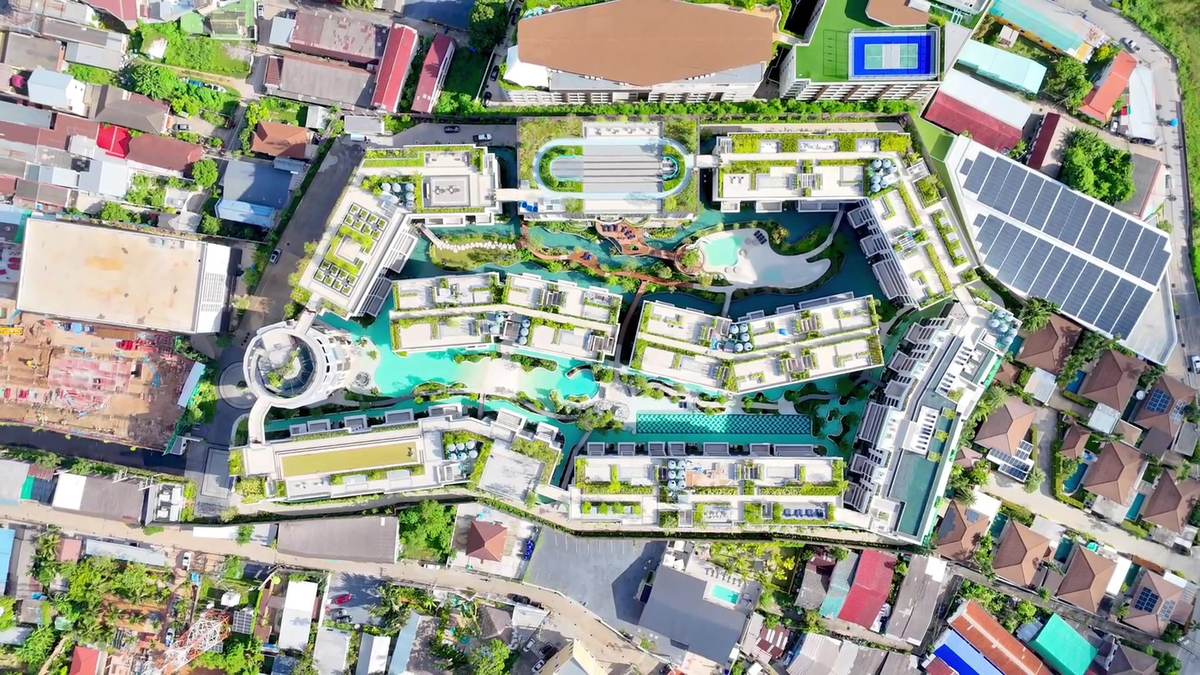
A condominium unit can be owned outright by a foreign buyer, within the building's 49 per cent foreign quota under the Condominium Act, and the title is registered at the Land Department in the buyer's name. Ask the developer for the quota position in writing before you reserve: a sold-out foreign quota turns a freehold purchase into a leasehold one.
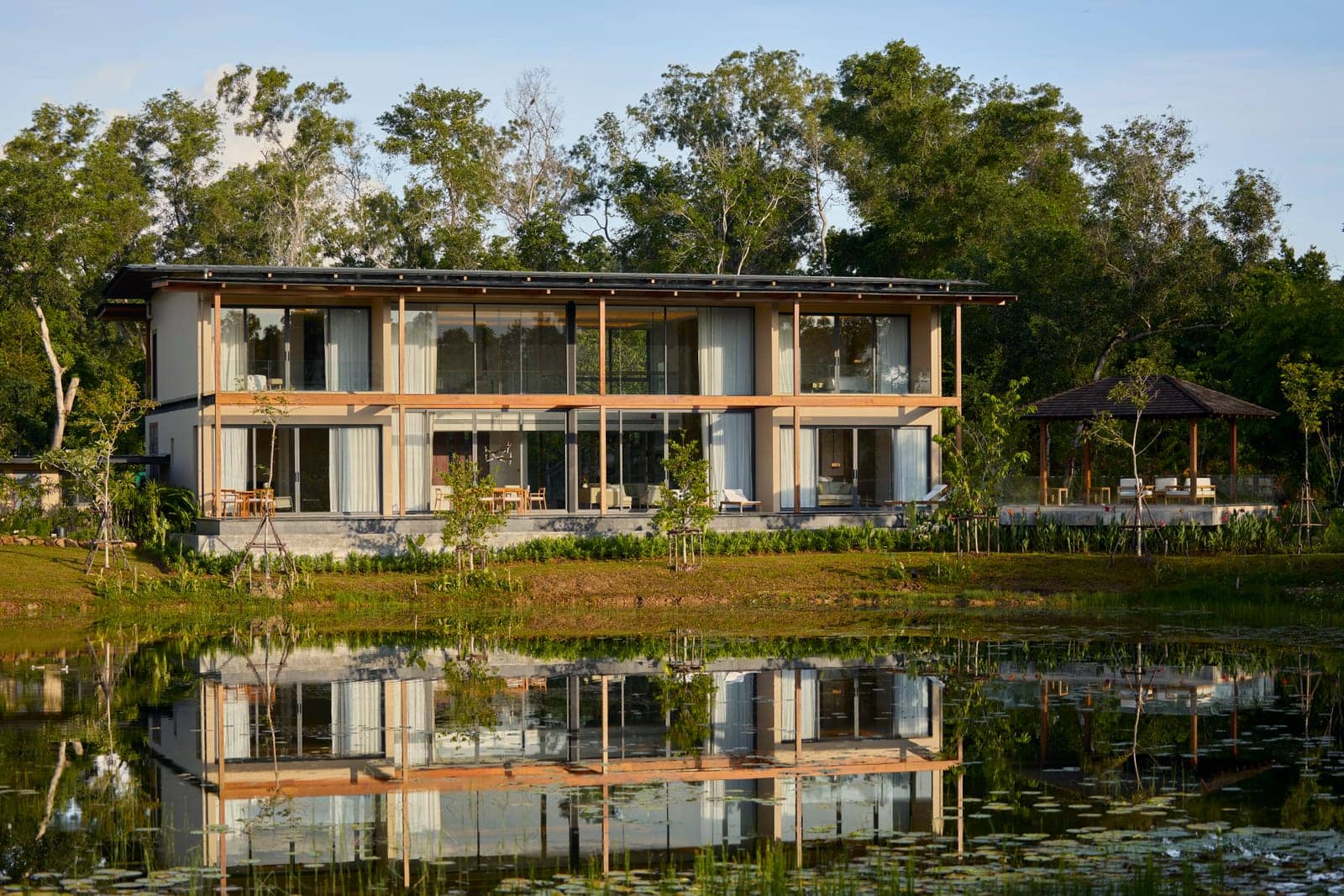
Land cannot be owned by a foreigner directly, and most villas sit on land, so villa estates sell on registered leasehold: typically 30 years, registered at the Land Department, with renewals whose nature matters more than their number. A renewal written into the lease as an obligation on the landowner is contractual; one described in a brochure is marketing. The register states which each project offers.
Structures that hold the land in a Thai company for a foreign buyer's benefit carry legal risk under Thai law, and we do not recommend or arrange them. Whatever the structure, have independent Thai counsel read it before you sign.
Which prices are published, and which are not.
The full explanation
Some developers publish a guide range for a project; most release prices at the sales office and move them by release, so a price you were quoted in one month may not hold in the next. Embark prints a price only when the developer has published or confirmed it in writing. On the register a row reads "Developer guide", "Not released" or "On request", and each is exactly what it says.
For orientation, and attributed: C9 Hotelworks put the island's branded-condominium average at THB 197,745 per square metre in January 2026, rising to THB 212,113 in Bang Tao and Kamala, and the island record is ETRO Residences' launch at THB 830,000 per square metre in January 2026, as the developer announced and the Bangkok Post reported. Neither figure is a price for any home on the register.
The fastest honest route to a real price is a written request to the developer's office, or to us on the projects we are appointed on, for the current list and the units still available at it.
How to read the management agreement before you rely on it.
The full explanation
Reliability after handover is a contract, not a reputation. Before a client signs we put these questions to the developer in writing and keep the answers with the file. A developer who answers in writing is telling you something; one who will not is telling you more.
What can be walked, and what is a drawing.

The full explanation
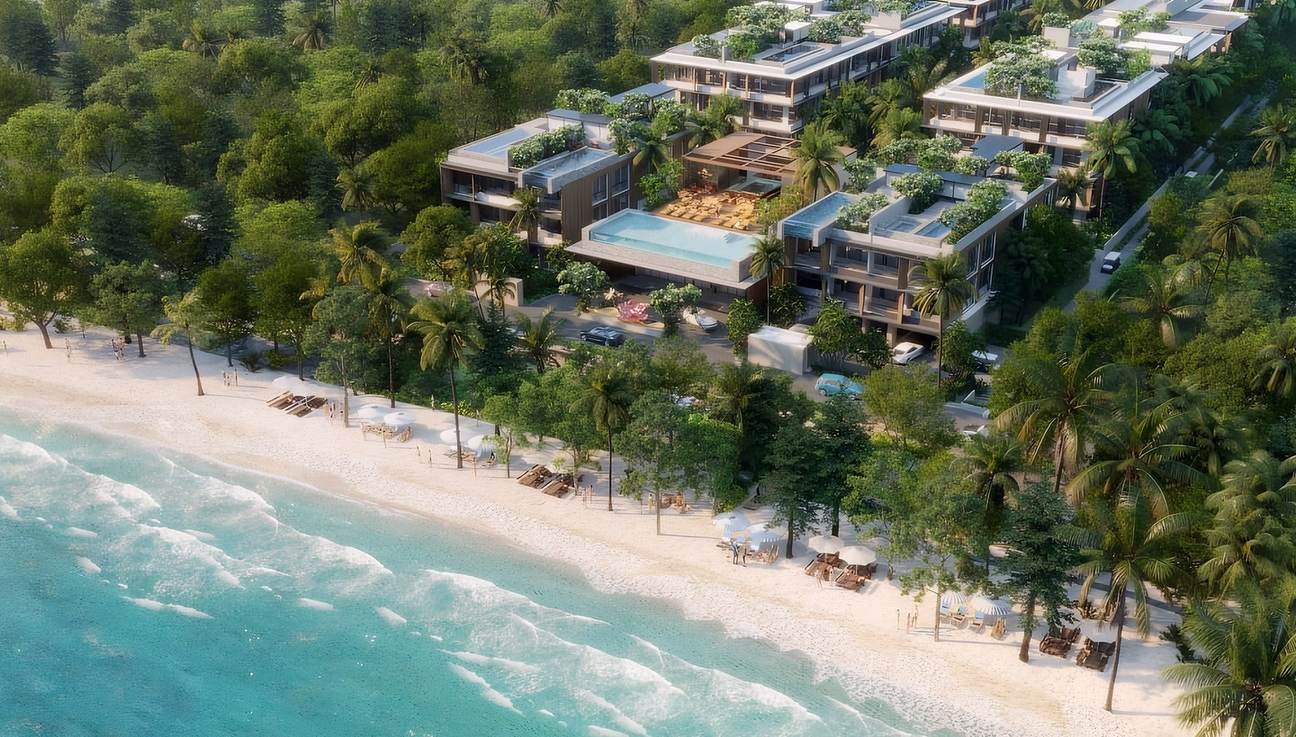
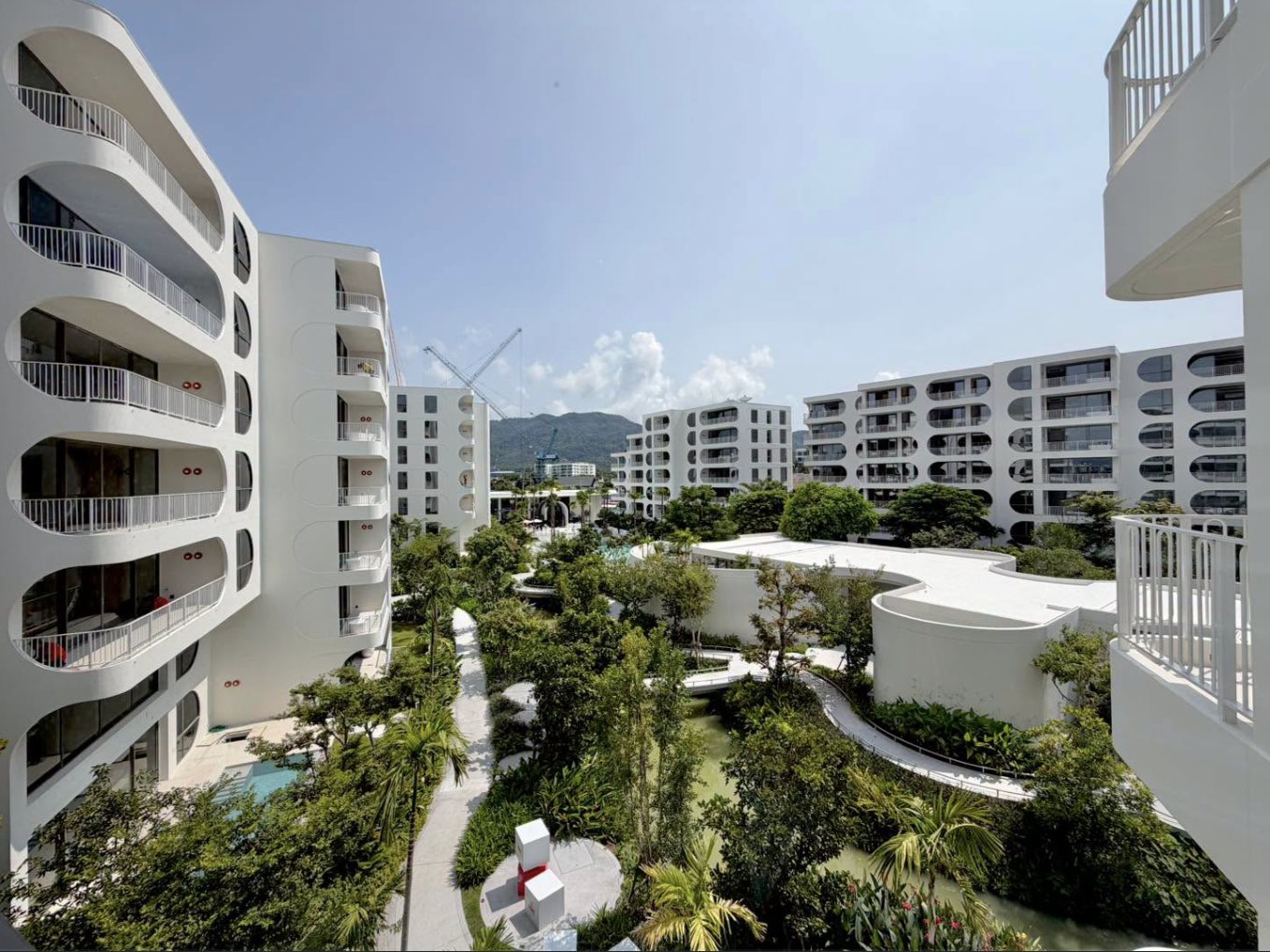
A completed home can be walked, measured and lived in from the day of transfer, and its price is paid at transfer. An off-plan home is bought from a drawing on a payment schedule, a reservation, a contract payment, instalments during construction and the balance at handover, and its handover date is the developer's stated target rather than a fact. Thailand has no general escrow requirement for those instalments, so ask in writing what protects them if construction stops.
Neither is the better purchase in general. A buyer who needs the keys this year has one choice; a buyer who does not is choosing between a home that exists and a building that will be new, at whatever the price difference is on the day.
The trade-off in full, with the questions for each, is in Completed or off-plan in Phuket.
Finished, ready this year, or off-plan.
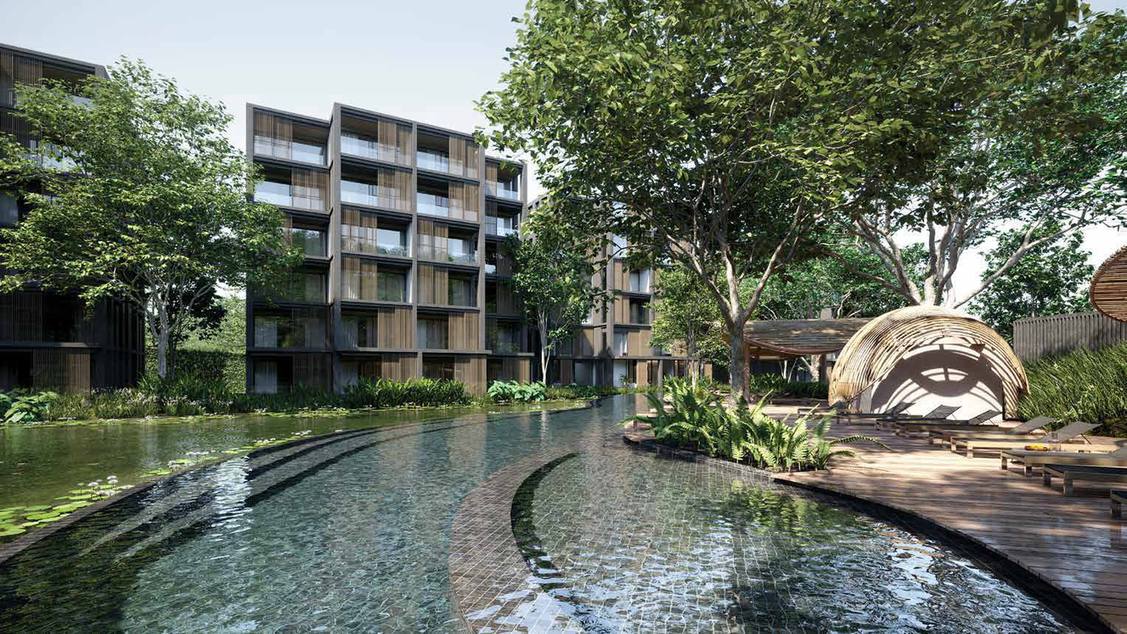
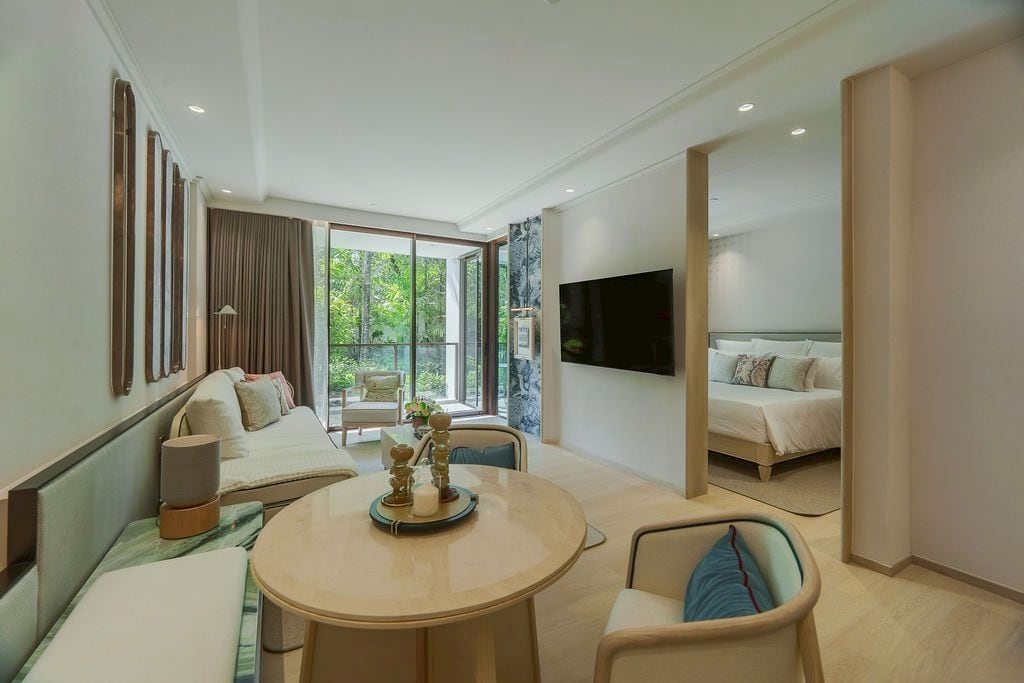
What a purchase costs beyond the price.
The full explanation
On a freehold transfer the Land Department charges a transfer fee of 2 per cent of the appraised value, which the contract splits between buyer and seller as the parties agree; a developer's terms usually state the split. The seller side carries either specific business tax at 3.3 per cent, where the seller has held the property for under five years, or stamp duty at 0.5 per cent, plus withholding tax on the sale. On a registered leasehold the registration fee and stamp duty together come to 1.1 per cent of the total rent over the term.
New condominiums also collect a one-off sinking-fund contribution and the first period of common fees at transfer, and a branded residence adds its management and rental-programme terms on top. These are the standing rates as we understand them and they change; confirm the figures for your purchase with independent Thai counsel before you rely on them.
The resale market is thinner than the launch market.
The full explanation
Most of Phuket's branded stock is new-build, and a completed branded home changing hands is still the exception. Where one does, the owner sets the price and instructs an agency, and the register's resale rows read "Owners, resale" and "On request" for exactly that reason. A buyer who wants a finished branded home should ask what is actually on the market that month rather than assume the register's completed towers have units for sale.
Where each fact is checked, in order.
The full explanation
First, the developer's own documentation: the environmental approval, the building or condominium licence, the unit title and the sale and management agreements. Second, the Land Department record for the title and any registered lease. Third, published market research with a named publisher and date, which on this site means C9 Hotelworks and the Real Estate Information Center as reported in the press. Fourth, the brand's or the developer's own announcement for any claim about a brand. Last, our register, which names its evidence and the date of its last verification on every row.
What we do not use as a source: property portals, other agencies' listings, and figures without a publisher and a date. A fact we cannot verify is marked as unverified on the page rather than filled in.
The questions Phuket buyers actually search for.
Who sells branded residences directly in Phuket?
The developer's own sales office sells every new-build branded home: Banyan Group's sales office at Laguna Phuket, the Gardens of Eden team for ETRO Residences, Capstone Asset for PEYLAA. An appointed or authorised sales agency, such as Embark Estate on the projects it holds written agreements for, sells the same homes at the same price list because the developer pays the agency. Completed homes on resale are sold by their owners through an instructed agency.
Which branded residence in Phuket is best?
There is no ranking that survives the question of what you are buying it for. A beachfront home to live in, a golf or lake home to holiday in, and a managed condominium to let are three different purchases with three different shortlists. The register groups every project by product, setting, tenure and status so that a buyer can compare within the kind of home they want, and we will say which two or three we would put in front of a specific brief.
Can a foreigner buy a branded residence in Phuket?
Yes. A condominium unit can be owned outright within the building's 49 per cent foreign quota. A villa sits on land, which a foreigner cannot own directly, so villa estates sell on registered leasehold, typically 30 years, with renewals that are either contractual or marketing; the register states which for each project. Company structures to hold land for a foreign buyer carry legal risk and we do not recommend them.
What do Phuket branded residences cost?
Branded condominiums on Phuket averaged THB 197,745 per square metre in January 2026 on C9 Hotelworks' figures, rising to THB 212,113 in Bang Tao and Kamala, and the island record is ETRO Residences' launch at THB 830,000 per square metre, as the developer announced. Those are market figures, not prices. Per-project prices are released by each developer's office and, on the projects we are appointed on, quoted by us from the developer's written list.
Are Phuket branded residences a good investment?
We do not publish yields or growth figures for Phuket projects, because we cannot substantiate them and a rental programme's income depends on occupancy, the revenue split, fees and refurbishment costs that differ by contract. What we can do is put the contract terms and the costs in front of you so that the arithmetic is yours, on your own assumptions, before you commit.
How reliable is the management of a Phuket branded residence?
As reliable as its contract. Read the management or licence agreement for the operator's name and term, which services are obligations and which are marketing, how fees rise, whether the rental programme is optional, and what happens if the brand leaves. We put those questions to the developer in writing before a client signs and keep the answers with the file.
How do I check a Phuket developer before buying?
Ask for the company registration, the environmental approval, the building or condominium licence, the title deed for the land, and the list of projects the developer has completed and handed over, with dates. Then check the title at the Land Department and the licence with the local authority. A developer that supplies all of this without being chased is telling you something.
Freehold or leasehold in Phuket, which is better?
They are not alternatives for the same home: a condominium unit is freehold within quota, a villa on land is leasehold for a foreign buyer. Within leasehold, what matters is whether the renewals are written into the lease as the landowner's obligation or only described in the marketing. The register states the nature of the renewal for every villa estate.
What are the costs of buying a property in Phuket?
The Land Department transfer fee is 2 per cent of the appraised value, split as the contract says; the seller side carries specific business tax at 3.3 per cent or stamp duty at 0.5 per cent, plus withholding tax; a registered lease costs 1.1 per cent of the total rent in registration fee and stamp duty. New condominiums add a sinking-fund contribution and common fees at transfer. Confirm the figures for your purchase with independent Thai counsel.
Where can I find trustworthy information on Phuket branded residences?
In this order: the developer's own documentation, the Land Department record, published research with a named publisher and date such as C9 Hotelworks and the Real Estate Information Center, the brand's or developer's own announcements, and a register that names its evidence and its verification date on every row. Treat any figure without a publisher and a date, including any of ours, as unverified.
Is a villa or a condominium better in Phuket for a foreign buyer?
It depends on how you will use the home. A condominium is the only format a foreigner can own outright, in their own name, inside the building's 49 per cent foreign quota under the Condominium Act, and the building's juristic person runs the shared parts, so it suits an owner who is on the island for part of the year. A villa gives space, privacy and a pool of your own, but it stands on land a foreigner cannot own, so it usually comes as a registered lease of up to 30 years under Section 540 of the Civil and Commercial Code, and its upkeep is yours to arrange. Selling on differs too: a lease passes to a new buyer only if the lease allows it (Section 544). Our article, Villa or condominium in Phuket, sets out each point with its source. General information, not legal advice.
Can I rent out my Phuket villa or condominium by the night?
Not without a hotel licence. The Hotel Act B.E. 2547 treats accommodation let for temporary stays for payment as a hotel, unless it is let only by the month or longer (Section 4), and running a hotel without a licence is an offence under Section 15, with a penalty under Section 59 of up to one year in prison or a fine of up to THB 20,000, or both, plus up to THB 10,000 a day. The law draws no line between a villa and a condominium, and many condominium buildings also ban short stays in their own rules. Letting by the month or longer is an ordinary tenancy. Whether a particular villa qualifies for any exemption is a question for Thai counsel before you buy. General information, not legal advice.


