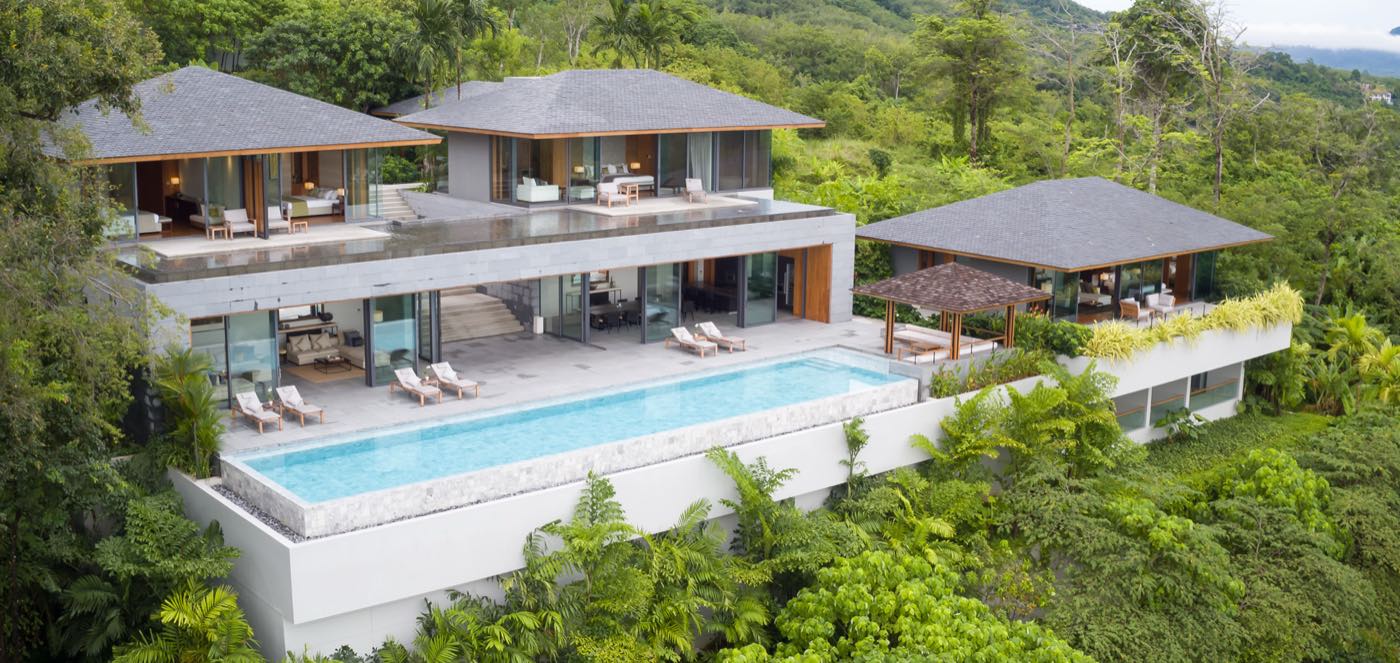
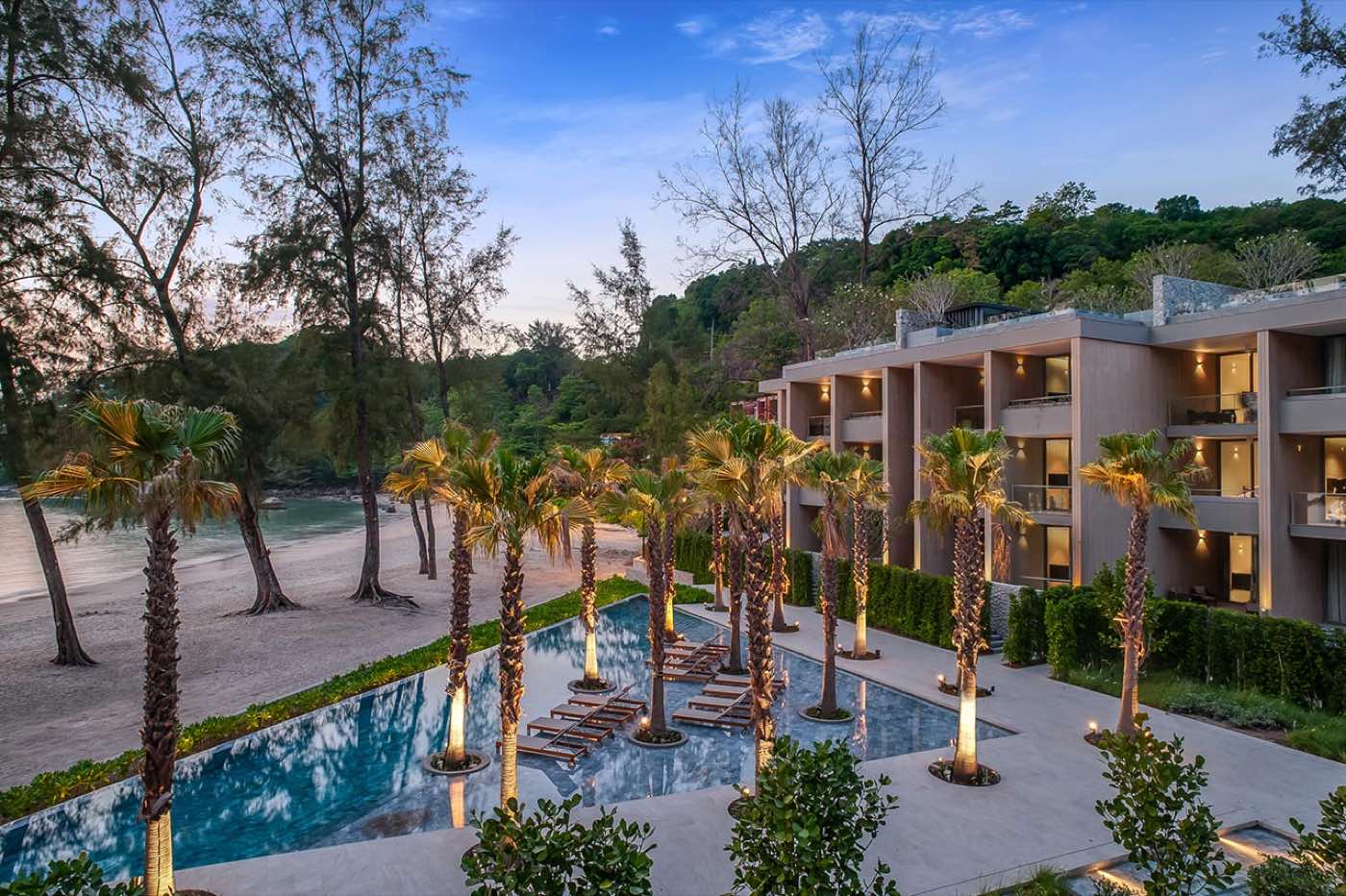
Villa or condominium is the first decision a foreign buyer makes in Phuket, and it settles more than size. A condominium can be owned outright in your own name. A villa usually cannot, because it stands on land, and a foreigner cannot own land. From that one fact follow different rules for running the home, renting it out and selling it on.
The format decides the rules
A condominium
Yours on the title deed while the building's foreign quota is open. A building company runs the shared parts.
A villa
A registered lease of the land, up to 30 years. The house, the pool and the garden are yours to run.
- 49%
- of a building's unit space, the foreign capCondominium Act, s.19 bis
- 30 years
- the longest registered leaseCivil and Commercial Code, s.540
- 1 month
- shorter lets count as hotel businessHotel Act B.E. 2547, s.4 and s.15
- Your lease
- decides if you can sell it onCivil and Commercial Code, s.544
What you actually own
Only one of the four cases puts your own name on a title deed.
Condominium, quota open
Freehold, registered in your own name.
Condominium, quota full
A registered lease of the unit, up to 30 years.
Villa
A registered lease of the land, up to 30 years.
A villa sold as freehold
Ask what makes it freehold, and in whose name the land sits.
Read the full explanation
The Condominium Act is the only Thai law that lets a foreigner own property outright, and it covers one format: the condominium unit. Foreign owners together may hold up to 49 per cent of the space of all the units in a building. Inside that share, the unit is yours, saleable and inheritable like any property.
A villa sits on land, and land is closed to foreign ownership. So a foreign buyer takes a lease of the land, registered at the Land Department for up to 30 years. Offers of “30 plus 30 plus 30” mean thirty registered years and a promise to agree more later. Some estates, Kamala Residences among them, offer villas both ways. Where a villa is called freehold, ask exactly what makes it so: a villa registered as a condominium unit falls under the Condominium Act and its quota, while land held by a Thai person or a Thai company for your benefit carries legal risk. Either way, independent Thai counsel reads the structure before any deposit.
The full picture, with every section of the law quoted, is in our piece on leasehold and freehold in Phuket.
Side by side
| Condominium | Villa | |
|---|---|---|
| Your title | Freehold, quota open | Registered land lease |
| Who runs it | The building’s juristic person | You, or the estate’s manager |
| Monthly costs | Common fee, set by the building | Pool, garden, staff, repairs |
| Leaving it empty | Lock the door | Someone must look after it |
| Nightly letting | Licence, and often building rules | Licence, unless exempted |
| Selling it on | Sell the title | Pass on the remaining years |
Running it from far away
A condominium can be left for six months. A villa in the tropics cannot.
Read the full explanation
In a condominium, the juristic person, the owners’ body every Thai condominium must have, runs the lifts, the pool, the gardens and the security, paid for by a common fee per square metre. New buildings usually also collect a one-off sinking fund for major repairs. Our guide to buying costs sets out both.
A villa is a house with a pool in a hot, wet climate. Someone has to keep the water clean, the garden cut back and the damp out, whether you are there or not. Inside a managed estate a service fee covers part of that; on a standalone villa, all of it is yours to arrange. Ask what the estate fee covers, in writing, before comparing prices.
Renting it out: the same law, different practice
Letting by the month or longer is ordinary letting. Shorter stays are hotel business, and need a licence.
A month or longer
Outside the Hotel Act. An ordinary tenancy.
Shorter than a month
Hotel business. A licence is required, for a condominium or a villa.
Without the licence
Up to one year in prison or a fine of up to THB 20,000, plus up to THB 10,000 a day.
The building's own rules
Many condominiums go further and ban short stays outright. Read them first.
Read the full explanation
The Hotel Act B.E. 2547 (2004) defines a hotel as accommodation run as a business to give temporary stays for payment, and excludes accommodation let only by the month or longer (Section 4). Running a hotel without a licence is an offence (Section 15), with the penalties above set out in Section 59. Nothing in the definition separates a villa from a condominium.
The difference is practical. A condominium also answers to its own building rules, which can forbid short lets whatever the law allows. The Act lets a Ministerial Regulation exclude some other accommodation, and owners of small houses sometimes rely on that; whether a particular villa qualifies is a question for Thai counsel before you buy it, not after.
We publish no rental figure for any Phuket home. If letting is part of your plan, ask the operator or the building for that home’s own record, low season included.
Selling it on
A condominium title can be sold like any property. A villa lease passes on only if the lease says it can, and with fewer years each year.
Read the full explanation
Section 544 of the Civil and Commercial Code says a tenant cannot transfer the lease to someone else unless the contract allows it. So the assignment clause in a villa lease is your exit, and it should be read before the architecture. Every year you hold the lease, the next buyer receives a shorter term, and buyers price that in.
A freehold condominium has no clock. Its buyers are wider too: anyone who could have bought it new can buy it from you, subject to the building’s foreign quota.
So which suits you?
Four buyers, four answers.
Here part of the year
A condominium. Lock it, leave it, and the building looks after it.
Family, space and long stays
A villa, with its upkeep budgeted and the lease read by counsel.
Your name on the deed
A condominium inside the foreign quota. Nothing else gives you that.
Letting by the night
Read the Hotel Act and the building rules before the brochure.
Where to see each, in Phuket
A finished condominium you can walk today: Twinpalms Residences MontAzure on the Kamala beachfront, completed in 2019. A villa estate on registered lease: Avadina Hills by Anantara above Layan. Both tenures side by side, at matching specification: Kamala Residences.
Every branded residence on the island above THB 20 million, with its format and tenure, is on our Phuket register, and the villas alone are on the Phuket villa page.
