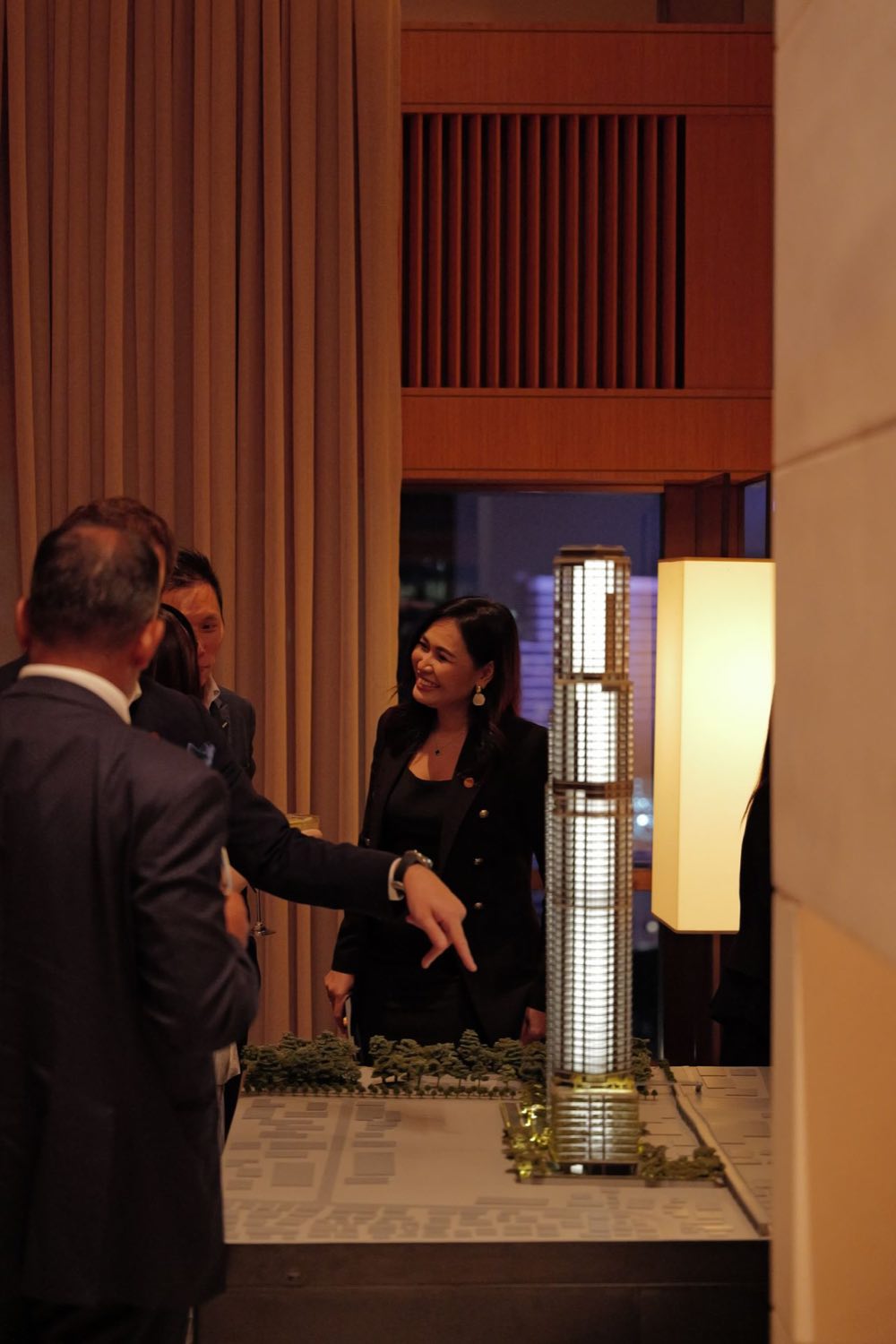
Upper House is a luxury hotel brand created by Swire Hotels, known less for grandeur than for restraint: design-led, discreet, and closer in feel to a private home than a conventional grand hotel. Its philosophy is summed up in the brand’s own line, “houses, not hotels.” That philosophy is now moving into ownership for the first time, through Upper House Residences Bangkok on Wireless Road. For the short answers, read what Upper House Residences is and who is building it.
Where the brand came from
Upper House was developed under Swire Hotels, the Hong Kong group known for design-driven hospitality. From the start it set itself apart from traditional grand hotels. Instead of formality and scale, it was built around residential-style privacy, calm and understated interiors, personal service, and the feeling of being welcomed into a home rather than checking into a property. It became known for luxury without excess, and for guests who value discretion and comfort over spectacle.
Design as the core, not the decoration
Upper House hotels are recognised for their architecture and interiors: clean lines, natural materials, soft neutral palettes, open space, and a deliberate connection between the rooms and the city outside. Design is treated as a tool for calm and clarity rather than display. It is the brand’s clearest signature.
The brand’s own line is the clearest summary of it: houses, not hotels.
A service culture built on discretion
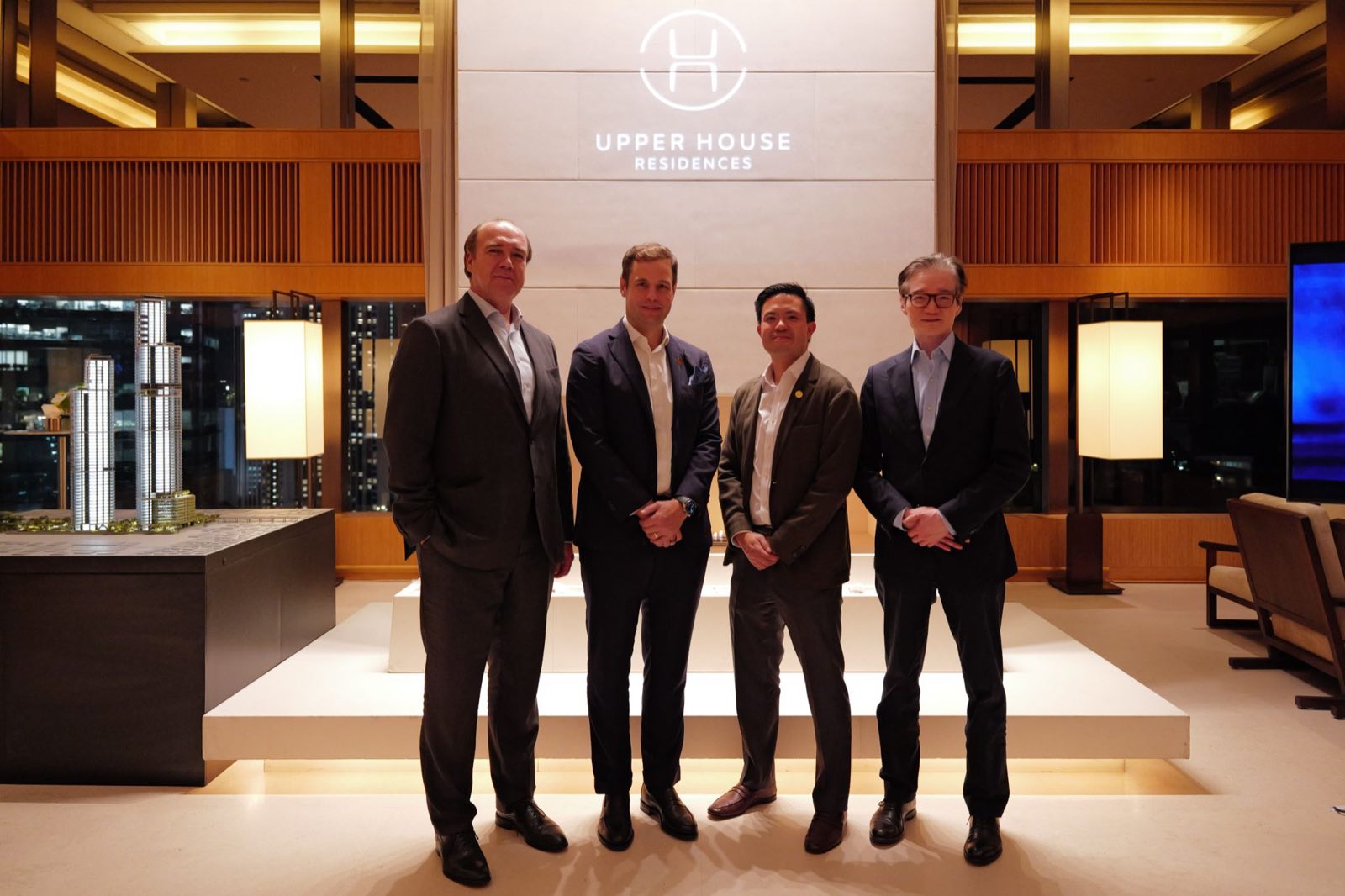
The service is rooted in discretion rather than formality: personal rather than scripted, private, and unhurried. That culture has earned the brand a steady international following among people who value consistency and privacy as much as the physical product.
A long, consistent reputation
The recognition has been sustained rather than campaign-driven. The flagship, The Upper House in Hong Kong, has placed among the World’s 50 Best Hotels, ranked No. 5 in 2024 and No. 10 in 2025, and holds a Michelin Two Keys rating. The pattern reflects consistency in guest experience, design, and service over years rather than a single moment.
Why hotel brands move into residences
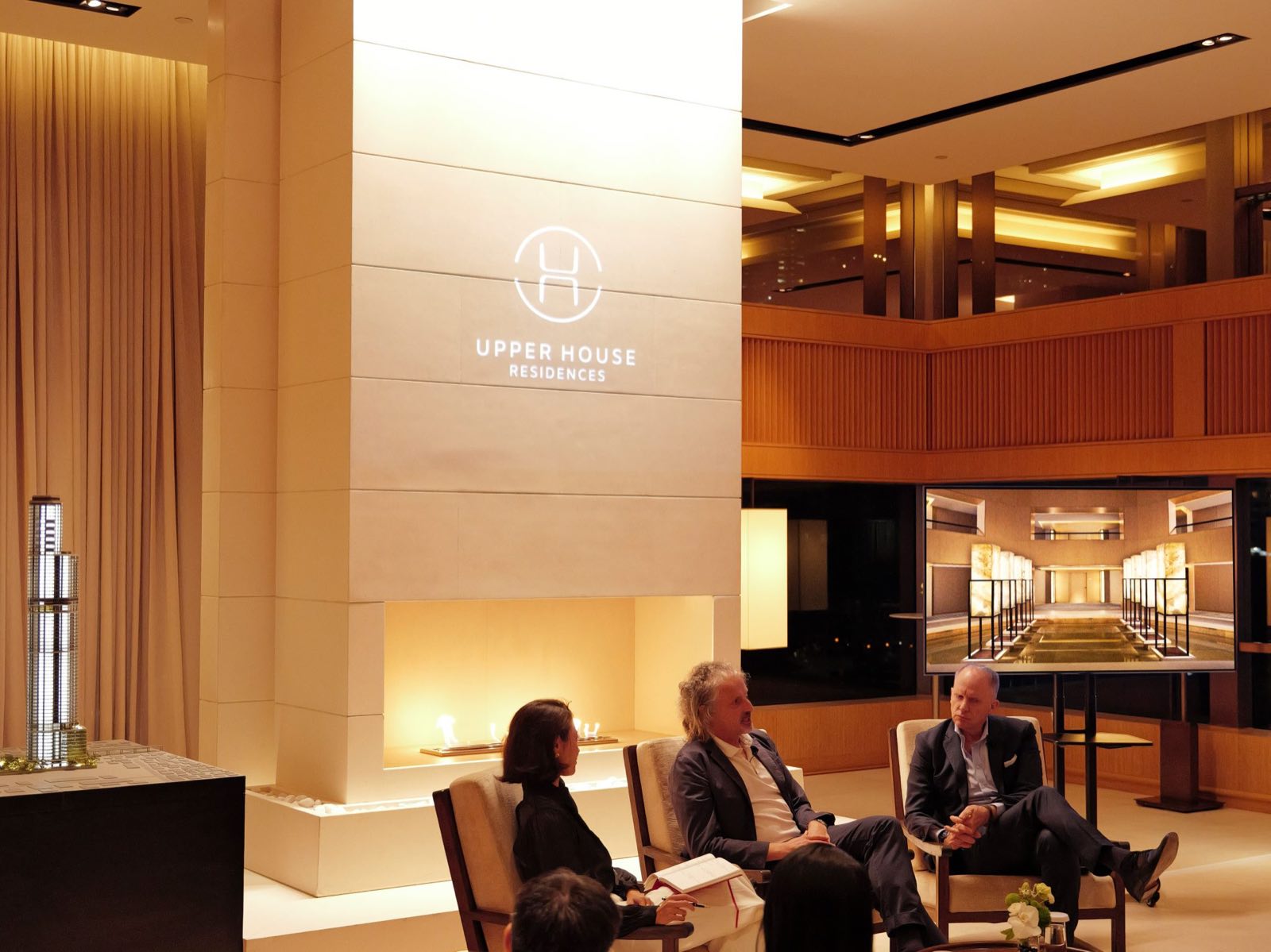
Across prime markets, hotel brands increasingly extend into private residences. The logic is straightforward: buyers want proven service standards, branded buildings tend to be managed more consistently over time, the brand supports resale, and owners gain a hotel-grade lifestyle without transient guest traffic. Upper House is following that path, carrying its operating culture into permanent ownership.
What changes after the sale
The real difference between a branded residence and an ordinary luxury home is what happens after completion: a long-term service culture, consistent operational standards, staff trained in the hotel discipline, and a daily experience built around discretion and comfort. That is an operational commitment, not a marketing line, and it shapes how residents live, not only how the building looks.
Upper House Residences Bangkok
The brand’s next chapter is Upper House Residences Bangkok, its first branded residences and the first time the Upper House philosophy enters private ownership in Thailand. On a freehold site on Wireless Road, designed by Foster + Partners, it brings hospitality-led living, design-driven interiors, long-term stewardship, and a focus on privacy into a home. For a buyer, that means a private residence backed by the operating standards of an established hotel brand.
Why the brand matters to buyers
Buying a branded residence is partly buying the brand: its service culture, its management approach, its reputation, and the way those tend to protect value over time. For Upper House Residences Bangkok, the brand is what keeps the project judged by how it runs over years, not only by its launch.